Jerusalem artichoke
| Jerusalem artichoke | |
|---|---|

| |
| Stem with flowers | |

| |
| Jerusalem artichokes cooking | |
Scientific classification 
| |
| Kingdom: | Plantae |
| Clade: | Tracheophytes |
| Clade: | Angiosperms |
| Clade: | Eudicots |
| Clade: | Asterids |
| Order: | Asterales |
| Family: | Asteraceae |
| Genus: | Helianthus |
| Species: | H. tuberosus
|
| Binomial name | |
| Helianthus tuberosus | |
| Synonyms[1] | |
| |
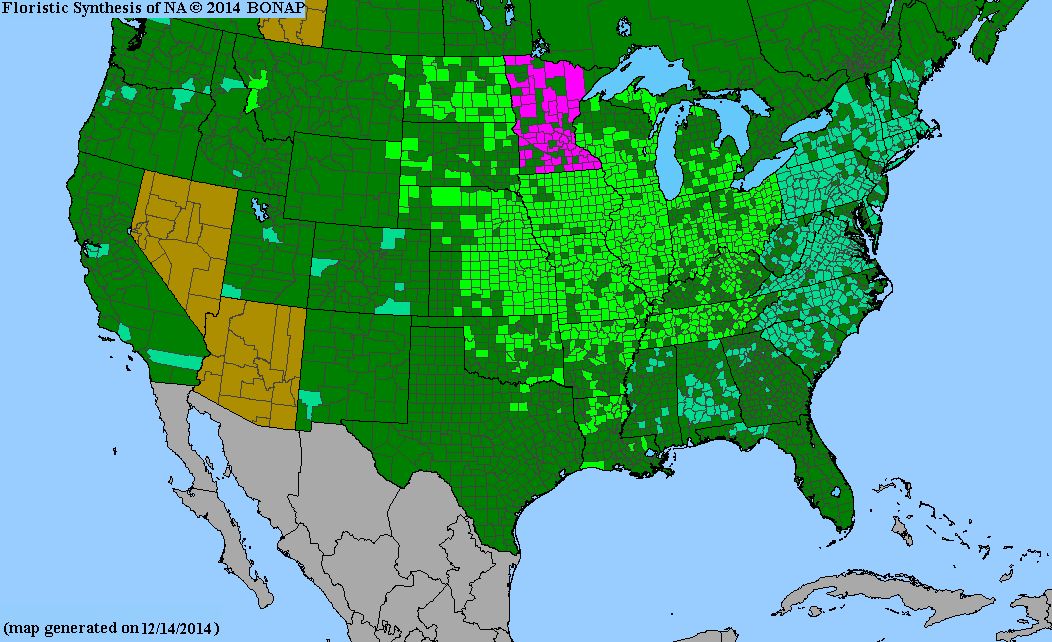
The Jerusalem artichoke (Helianthus tuberosus), also called sunroot, sunchoke, wild sunflower,[2] topinambur,[2] or earth apple, is a species of sunflower native to central North America.[3][4] It is cultivated widely across the temperate zone for its tuber, which is used as a root vegetable.[5]
Description[edit]
Helianthus tuberosus is a herbaceous perennial plant growing to 1.5–3 m (4 ft 11 in – 9 ft 10 in) tall with opposite leaves on the lower part of the stem but alternate towards the top.[6] The leaves have a rough, hairy texture. Larger leaves on the lower stem are broad ovoid-acute and can be up to 30 cm (12 in) long. Leaves higher on the stem are smaller and narrower.[7]
The flowers are yellow and produced in capitate flowerheads, which are 5–10 cm (2–4 in) in diameter, with 10–20 ray florets and 60 or more small disc florets. The flowers are briefly fragrant, giving off a light, vanilla-chocolate perfume.[7]
The tubers are often elongated and uneven, typically 7.5–10 cm (3–3+7⁄8 in) long and 3–5 cm (1–2 in) thick, and vaguely resembling a ginger root in appearance, with a crisp and crunchy texture when raw. They vary in color from pale brown to white, red, or purple.[5][8]
Food use[edit]

The tubers can be eaten raw, cooked, or pickled.[9]
Before the arrival of Europeans, indigenous peoples cultivated H. tuberosus as a food source. The tubers persist for years after being planted, so the species expanded its range from central North America to the eastern and western regions.[citation needed] Early European colonists learned of this and sent tubers back to Europe, where they became a popular crop and naturalized there. It later gradually fell into obscurity in North America, but attempts to market it commercially were successful in the late 1900s and early 2000s.[7][10]
The tuber contains about 2% protein, no oil, and little starch. It is rich in the carbohydrate inulin (8 to 13%[11]), which is a polymer of the monosaccharide fructose. Tubers stored for any length of time convert their inulin into its component, fructose. Jerusalem artichokes have an underlying sweet taste because of the fructose, which is about one and a half times as sweet as sucrose.[10]

It has also been reported as a folk remedy for diabetes:[10] since inulin is not assimilated in the intestine, it doesn't cause a glycemic spike as potatoes would. Temperature variances have been shown to affect the amount of inulin the Jerusalem artichoke can produce. It makes less inulin in a colder region than when it is in a warmer region.[12]
Etymology[edit]

Despite one of its names, the Jerusalem artichoke has no relationship to Jerusalem, and it is not a type of artichoke,[13][14] though the two are distantly related as members of the daisy family. The most probable explanation is that Italian settlers in the United States called the plant girasole, the Italian word for sunflower, because of its familial relationship to the garden sunflower (both plants are members of the genus Helianthus). Over time, the name girasole (pronounced closer to [dʒiraˈsuːlə] in southern Italian dialects) was corrupted by English-speakers to Jerusalem.[15][16][17][18] An alternative explanation for the name is that the Puritans, when they came to the New World, named the plant with regard to the "New Jerusalem" they believed they were creating in the wilderness.[10] Various other names have been applied to the plant, such as the French or Canada potato, topinambour, and lambchoke. Sunchoke, a name by which it is still known today, was invented in the 1960s by Frieda Caplan, a produce wholesaler trying to revive the plant's appeal.[10]
The artichoke part of the Jerusalem artichoke's name comes from the taste of its edible tuber. Samuel de Champlain, the French explorer, sent the first samples of the plant to France, noting its taste was similar to that of an artichoke.[19][20]
The name topinambur, in one account, dates from 1615, when a member of the Brazilian coastal tribe called the Tupinambá visited the Vatican at the same time that a sample of the tuber from Canada was on display there, presented as a critical food source that helped French Canadian settlers survive the winter. The New World connection resulted in the name topinambur being applied to the tuber, the word now used in French, German, Italian, Polish, Romanian, Russian, and Spanish.[21][22]
Cultural significance[edit]
According to Iroquois mythology, the first sunchokes grew out of Earth Woman's feet after she died giving birth to her twin sons, Sapling and Flint.[23]
History[edit]

Jerusalem artichokes were first cultivated by the Indigenous peoples of the Americas, though the exact native range of the species is unknown. Genome analysis has ruled out the common sunflower (also originating in the Americas) as an ancestor, and instead points to hybridization between the hairy sunflower and the sawtooth sunflower.[24]
The French explorer Samuel de Champlain discovered that the native people of Nauset Harbor in Massachusetts had cultivated roots that tasted like artichoke. The following year, Champlain returned to the same area to discover that the roots had a flavor similar to chard[25] and was responsible for bringing the plant back to France. Sometime later, Petrus Hondius, a Dutch botanist, planted a shriveled Jerusalem artichoke tuber in his garden at Terneuzen and was surprised to see the plant proliferate.[25] Jerusalem artichokes are so well-suited for the European climate and soil that the plant multiplies quickly. By the mid-1600s, the Jerusalem artichoke had become a very common vegetable for human consumption in Europe and the Americas and was also used for livestock feed in Europe and colonial America.[10] The French were particularly fond of the vegetable, which reached its peak popularity at the turn of the 19th century.[10] The Jerusalem artichoke was titled 'best soup vegetable' in the 2002 Nice Festival for the Heritage of French Cuisine.
The French explorer and Acadia's first historian Marc Lescarbot described Jerusalem artichokes as being "as big as turnips or truffles," suitable for eating and taste "like chards, but more pleasant." In 1629, the English herbalist and botanist John Parkinson wrote that the widely grown Jerusalem artichoke had become very common and cheap in London, so much so "that even the most vulgar begin to despise them." In contrast, when they had first arrived in England, the tubers had been "dainties for the Queen."[25]
Lewis and Clark ate the tubers, prepared by an indigenous woman, in modern-day North Dakota.[26]
They have also been called the "Canadian truffle".[27]
Invasive potential[edit]
Biological characteristics[edit]
Its rapid growth and its ability to reproduce from buried rhizomes and tubers facilitates the Jerusalem artichoke's uncontrolled spread.[28] The vegetative propagules can be transported via rivers and water streams and begin a new population on riverbanks.[29] Dispersal by animal is also possible, as animals feed on tubers and rhizomes and excrete the propagules in new areas.[30] With humans' cultivation, there is also a risk of the plant's unintended escape into the wild.[31] It can also be propagated by seed. Its relatively long flower period enables the Jerusalem artichoke to increase its reproductive potential.[32]
Origins and distribution[edit]
Originating in North America,[33] the Jerusalem artichoke can now be found in several countries in North and South America, Europe, Asia, and Australia.[34] In Central Europe it is one of the most expanding invasive plant species.[35] It can grow in many geo-climatic regions and different types of soils.[36] However, Jerusalem artichoke prefers moist habitats[36] and seems to be less tolerant of dry conditions.[37]
Suppression of native plant species[edit]
Because of its ecological and biological attributes, the Jerusalem artichoke is highly competitive with other plant species.[38] For instance, the carbohydrates in the tubers serve as an energy source for rapid growth in spring .[36] The plant expands rapidly and creates shading, which has a suppressing effect on neighbouring plants.[39] Therefore, the risk of outcompeting and repressing the growth of native plants is increased.
Cultivation and use[edit]


Unlike most tubers, but in common with many other members of the Asteraceae (including the artichoke), Jerusalem artichoke tubers store their carbohydrate as inulin (not to be confused with insulin) rather than as starch. This has made them an important source of inulin used as a dietary fiber in food manufacturing.[40]
Jerusalem artichoke can propagate with seeds and tubers but the use of tubers leads to higher yields.[41] For planting, the tubers are cut into pieces with three to five buds[42] that are placed in 5–10 cm depth in the soil.[43][44][45] Jerusalem artichoke has low nutrient requirements and needs less nitrogen than other energy crops.[46] The competitiveness against weeds is high, making weed control easier but also making it harder to grow a different culture afterward, since usually small pieces of tubers remain in the ground after harvest.[47] The plant's high competitiveness may be due to allelopathic effects,[48] high plant size,[49] and rapid growth rate.[50]
Crop yields are high, typically 16–20 tonnes per hectare (7–9 short ton/acre) for tubers, and 18–28 tonnes per hectare (8–12 short ton/acre) green weight for foliage. Tubers remaining in the ground lie dormant over winter and can handle temperatures as low as −30 °C (−22 °F).[51] Jerusalem artichoke also has potential for production of ethanol fuel, using inulin-adapted strains of yeast for fermentation.[5]
The tubers are used for cooking and baking in the same ways as potatoes,[52] but unlike the potato, they can also be eaten raw.[51] They have a similar consistency and, in their raw form, have a similar texture but a sweeter, nuttier flavor. When raw and sliced thinly, they are fit for a salad. Their inulin form of carbohydrates give the tubers a tendency to become soft and mushy if boiled, but they retain their texture better when steamed. The inulin cannot be broken down by the human digestive system[53] but bacteria metabolize it in the colon. This can cause flatulence and, in some cases, gastric pain. John Gerard's Herbal, printed in 1621, quotes the English botanist John Goodyer on Jerusalem artichokes:[54]
which way soever they be dressed and eaten, they stir and cause a filthy loathsome stinking wind within the body, thereby causing the belly to be pained and tormented, and are a meat more fit for swine than men.
Jerusalem artichokes have 650 mg potassium per 1 cup (150 g) serving. They are also high in iron and contain 10–12% of the USRDA of fiber, niacin, thiamine, phosphorus, and copper.[55]
Use as forage[edit]
In former times, Jerusalem artichoke was used as forage for domesticated cattle, horses, and pigs.[56] The plant has valuable nutrient contents and various bioactive compounds,[57] and so is used today as an animal feed source or for the health of several animal species.[58] Pigs, for example, can eat the tuber either dried or directly from the ground or the green plant biomass (stalks and leaves) from the pasture.[59] Washed Jerusalem artichoke tubers can be fed to many animals, and silage produced from the harvested stalks and leaves.[60] The silage has high nutrient values and satisfactory digestion performance for ruminants. Its high inulin content beneficially affects the rumen metabolism and microflora.[57][61] However, cutting the tops to produce silage greatly reduces the harvest of the tubers. There are also many other Jerusalem artichoke products on the market, such as supplementary feed for horses, dogs, and small animals.[62]
| Nutritional value per 100 g (3.5 oz) | |
|---|---|
| Energy | 304 kJ (73 kcal) |
17.44 g | |
| Sugars | 9.6 g |
| Dietary fiber | 1.6 g |
0.01 g | |
2 g | |
| Vitamins | Quantity %DV† |
| Thiamine (B1) | 17% 0.2 mg |
| Riboflavin (B2) | 5% 0.06 mg |
| Niacin (B3) | 8% 1.3 mg |
| Pantothenic acid (B5) | 8% 0.397 mg |
| Vitamin B6 | 5% 0.077 mg |
| Folate (B9) | 3% 13 μg |
| Vitamin C | 4% 4 mg |
| Minerals | Quantity %DV† |
| Calcium | 1% 14 mg |
| Iron | 19% 3.4 mg |
| Magnesium | 4% 17 mg |
| Phosphorus | 6% 78 mg |
| Potassium | 14% 429 mg |
| †Percentages estimated using US recommendations for adults,[63] except for potassium, which is estimated based on expert recommendation from the National Academies.[64] | |
Fermented products[edit]
In Baden-Württemberg, Germany, over 90% of the Jerusalem artichoke crop is used to produce a spirit called Topinambur, the German word for Jerusalem artichoke.[65] By the end of the 19th century, the tubers were being used in Baden to make a spirit called "Topinambur-Branntwein" (Jerusalem artichoke brandy), "Topinambur" (Jerusalem artichoke), "Topi","Erdäpfler","Rossler", or "Borbel". Topinambur produced in the European Union and Switzerland must be made exclusively from Jerusalem artichokes, contain at least 38% alcohol by volume, and contain neither added alcohol nor flavorings.[66][67] Caramel color is the only permitted additive.[66][67]
Jerusalem artichoke brandy smells fruity and has a slight nutty-sweet flavor. An intense, pleasant, earthy note characterizes it. The tubers are washed and dried in an oven before being fermented and distilled. It can be further refined to make "Red Rossler" by adding the roots of the common tormentil, giving it a bitter and astringent taste and a red color. Red Rossler contains other ingredients such as currants, producing a schnapps with about 50% alcohol used as digestif and as a remedy for diarrhea or abdominal pain.
US marketing scheme[edit]
In the 1980s, the Jerusalem artichoke also gained some notoriety when its seeds were planted by Midwestern US farmers at the prodding of an agricultural attempt to save the family farm. This effort aimed to teach independent farmers to raise their own food, feed, and fuel. Little market existed for the tuber in that part of the US then, but contacts were made with sugar producers, oil and gas companies, and the fresh food market for markets to be developed. Fructose had not yet been established as a mainstay, nor was ethanol used as a main fuel additive as it is today. The only real profit in this effort was realized by a few first-year growers (who sold some of their seed to other farmers individually as well as with the help of the company attempting this venture). As a result, many of the farmers who had planted large quantities of the crop lost money.[68][69]
Diseases and pests[edit]
Stem rot disease is caused by the fungus Agroathelia rolfsii (aka Sclerotium rolfsii or Athelia rolfsii), which is one of the most important pathogens causing tuber and stem rot and up to 60% loss in Jerusalem artichoke yield.[70] Growing resistant varieties is an important method of controlling Agroathelia rolfsii.[71][72]
| Diseases of Jerusalem artichoke |
|---|
| Stem rot (Agroathelia rolfsii) |
| White mold (Sclerotinia sclerotiorum) |
| Sclerotinia blight (Sclerotinia minor) |
| Powdery mildew (Erysiphe cichoracearum) |
| Rust (Puccinia helianthi) |
| Alternaria blight (Alternaria helianthi) |
| Pseudomonas syringe pv. tagetis |
| Pests of Jerusalem artichoke |
| Tobacco cutworm (Spodoptera litura) |
| Banded sunflower moth (Cochylis hospes) |
References[edit]
- ^ The Plant List, Helianthus tuberosus L.
- ^ a b Szewczyk, Aleksandra; Zagaja, Mirosław; Bryda, Jarosław; Kosikowska, Urszula; Stępień-Pyśniak, Dagmara; Winiarczyk, Stanisław; Andres-Mach, Marta (22 March 2019). "Topinambur - new possibilities for use in a supplementation diet". Annals of Agricultural and Environmental Medicine. 26 (1): 24–28. doi:10.26444/aaem/102767. ISSN 1898-2263. PMID 30922024.
- ^ "Helianthus tuberosus". County-level distribution map from the North American Plant Atlas (NAPA). Biota of North America Program (BONAP). 2014. Retrieved 26 April 2019.
- ^ "Helianthus tuberosus". Germplasm Resources Information Network. Agricultural Research Service, United States Department of Agriculture. Retrieved 11 December 2017.
- ^ a b c Purdue University Center for New Crops & Plants Products: Helianthus tuberosus
- ^ Dickinson, T.; Metsger, D.; Bull, J.; & Dickinson, R. (2004) ROM Field Guide to Wildflowers of Ontario. Toronto:Royal Ontario Museum, p. 170.
- ^ a b c Gibbons, Euell. 1962. Stalking the wild asparagus. David McKay, New York
- ^ Huxley, Anthony Julian; Mark Griffiths; Margot Levy (1992). The New Royal Horticultural Society dictionary of gardening. London: Macmillan Publishers. ISBN 978-0-333-47494-5. OCLC 29360744.
- ^ Angier, Bradford (1974). Field Guide to Edible Wild Plants. Harrisburg, PA: Stackpole Books. p. 112. ISBN 0-8117-0616-8. OCLC 799792.
- ^ a b c d e f g Levetin, Estelle and Karen McMahon. Plants and Society: 231. Print. 2012.
- ^ Brkljača, J.; Bodroža-Solarov, M.; Krulj, J.; Terzić, S.; Mikić, A.; Jeromela, A. Marjanović (2014). "Quantification of Inulin Content in Selected Accessions of Jerusalem Artichoke (Helianthus tuberosus L.)". Helia. 37 (60). doi:10.1515/helia-2014-0009.
- ^ Puangbut; et al. (2012). "Influence of planting date and temperature on inulin content in Jerusalem artichoke" (PDF). Australian Journal of Crop Science: 1159–1165. ISSN 1835-2707. S2CID 67839700.
- ^ Peterson, Cass (21 September 1997). "CUTTINGS: The Jerusalem Artichoke Is Doubly Misnamed". The New York Times. p. 50. ISSN 0362-4331. Retrieved 9 September 2021.
- ^ Nemia-Cohen, Adi; Assis, Edna (24 May 2021). "Jerusalem Artichoke - Metamorphosis of a Mistake". Tower of David - Museum on the History of Jerusalem. Archived from the original on 9 September 2021. Retrieved 9 September 2021.
- ^ Lyle, Katie Letcher (2010) [2004]. The Complete Guide to Edible Wild Plants, Mushrooms, Fruits, and Nuts: How to Find, Identify, and Cook Them (2nd ed.). Guilford, CN: FalconGuides. p. 148. ISBN 978-1-59921-887-8. OCLC 560560606.
- ^ Smith, James Edward (1807). . p. 108f.
A change, one presumes, of the Italian name Girasole Articiocco, sun-flower artichoke, as the plant was first brought from Peru to Italy, and thence propagated throughout Europe.
- ^ Wedgwood, Hensleigh (1855). "On False Etymologies". Transactions of the Philological Society (6): 67.
- ^ "Definition of JERUSALEM ARTICHOKE". www.merriam-webster.com. 29 March 2024. Retrieved 31 March 2024.
- ^ Marcelle Bienvenu, "Topinambour, or Jerusalem, or ground artichokes are a terrific pick: Cooking Creole" | NOLA.com.
- ^ Stanley J. Kays, Stephen F. Nottingham, Biology and Chemistry of Jerusalem Artichoke: Helianthus tuberosus L., CRC Press, 2007, 496 p. (ISBN 9781420044966), p. 7.
- ^ Handbuch des speziellen Gemüsebaus, page?
- ^ Graham, Peter. "Chez Gram". Retrieved 17 February 2018.
- ^ Us, Kimberly (14 November 2021). "Thanksgiving: Native American Stories, Recipes and Crafts". KimberlyUs.com.
- ^ Bock, Dan G.; Kane, Nolan C.; Ebert, Daniel P.; Rieseberg, Loren H. (18 November 2013). "Genome skimming reveals the origin of the Jerusalem Artichoke tuber crop species: neither from Jerusalem nor an artichoke". New Phytologist. 201 (3): 1021–1030. Retrieved 21 August 2023.
- ^ a b c Cooke, Nathalie. Dickenson, Victoria. What's to eat? Entrees in Canadian food history. Montreal: McGill-Queen's U Press, 2010. 21-54. Print.
- ^ Niering, William A.; Olmstead, Nancy C. (1985) [1979]. The Audubon Society Field Guide to North American Wildflowers, Eastern Region. Knopf. p. 386. ISBN 0-394-50432-1.
- ^ Méreuze, Didier (11 July 2015). "Topinambour, ouvre-toi !". La Croix (in French). Retrieved 14 January 2016.
- ^ Swanton, C.J. and Cavers, P.B. (1989). Biomass and nutrient allocation patterns in Jerusalem artichoke (Helianthus tuberosus). Canadian Journal of Botany 67: 2880–2887. DOI:10.1139/b89-369.
- ^ Balogh, L. (2008). Sunflower species (Helianthus spp.). In: The Most Important Invasive Species in Hungary (eds. Z. Botta, Dukát and L. Balogh), 227–255. Vácrátót, Hungary: Hungarian Academy of Sciencies, Institute of Ecology and Botany.
- ^ Mori, E.; Mazza, G.; Galimberti, A.; Angiolini, C.; Bonari, G. The porcupine as “Little Thumbling”: The role of Hystrix cristata in the spread of Helianthus tuberosus. Biologia 2017, 72, 1211–1216.
- ^ Filep, R.; Balogh, L.; Balázs, V.L.; Farkas, Á.; Pal, R.W.; Czigle, S.; Czégényi, D.; Papp, N. Helianthus tuberosus L. agg. in the Carpathian Basin: A blessing or a curse? Genet. Resour. Crop Evol. 2018, 65, 865–879.
- ^ Baker, H. (1974). The evolution of weeds. Annual Review of Ecology and Systematics 5: 1–24.
- ^ Wyse, D.L., Young, F.L., and Jones, R.J. (1986). Influence of Jerusalem artichoke (Helianthus tuberosus) density and duration of interference on soybean (Glycine max) growth and yield. Weed Science 34: 243–247.
- ^ Popay, Ian (7 January 2022). "Helianthus tuberosus (Jerusalem artichoke)". CABI Compendium: 26716. doi:10.1079/cabicompendium.26716. S2CID 253650690.
- ^ Fehér, A., and Končeková, L. (2009). Evaluation of mechanical regulation of invasive Helianthus tuberosus populations in agricultural landscape. Journal of Central European Agriculture 10: 245–250.
- ^ a b c Swanton, C. J.; Clements, D. R.; Moore, M. J.; Cavers, P. B. (1 October 1992). "The biology of Canadian weeds. 101. Helianthus tuberosus L." Canadian Journal of Plant Science. 72 (4): 1367–1382. doi:10.4141/cjps92-169. ISSN 0008-4220.
- ^ Clevenger, S. and Heiser, C.B. (1963). Helianthus laetiflorus and Helianthus rigidus – hybrids or species? Rhodora 65: 121–133.
- ^ Kays, S.J. and Nottingham, S.F. (2007). Biology and Chemistry of Jerusalem Artichoke: Helianthus tuberosus L, 1–496. Boca Raton: CRC Press.
- ^ Hoffmann, E.L. and Kazinczi, G. (2014). Chemical and mechanical methods for suppression of Jerusalem artichoke (Helianthus tuberosus L.). Herbologia 14: 63–70.
- ^ Flamm G, Glinsmann W, Kritchevsky D, Prosky L, Roberfroid M (2001). "Inulin and oligofructose as dietary fiber: a review of the evidence". Crit Rev Food Sci Nutr. 41 (5): 353–62. doi:10.1080/20014091091841. PMID 11497328. S2CID 24828352.
- ^ Rodrigues, M.A.; Sousa, L.; Cabanas, J.E.; Arrobas, M. (1 December 2007). "Tuber yield and leaf mineral composition of Jerusalem artichoke (Helianthus tuberosus L.) grown under different cropping practices". Spanish Journal of Agricultural Research. 5 (4): 545. doi:10.5424/sjar/2007054-275. ISSN 2171-9292.
- ^ Puttha, Ratchanee; Jogloy, Sanun; Suriharn, Bhalang; Wangsomnuk, Preeya Puangsomlee; Kesmala, Thawan; Patanothai, Aran (1 February 2013). "Variations in morphological and agronomic traits among Jerusalem artichoke (Helianthus tuberosus L.) accessions". Genetic Resources and Crop Evolution. 60 (2): 731–746. doi:10.1007/s10722-012-9870-2. ISSN 1573-5109. S2CID 254505460.
- ^ Bogucka, Bożena; Jankowski, Krzysztof (6 October 2020). "Jerusalem Artichoke: Quality Response to Potassium Fertilization and Irrigation in Poland". Agronomy. 10 (10): 1518. doi:10.3390/agronomy10101518. ISSN 2073-4395.
- ^ Monti, A.; Amaducci, M. T.; Venturi, G. (1 September 2005). "Growth response, leaf gas exchange and fructans accumulation of Jerusalem artichoke (Helianthus tuberosus L.) as affected by different water regimes". European Journal of Agronomy. 23 (2): 136–145. doi:10.1016/j.eja.2004.11.001. ISSN 1161-0301.
- ^ "Effect of some mineral nutrients on productivity, tuber seed quality and storability of Jerusalem artichoke". Middle East Journal of Agriculture Research. 2020. doi:10.36632/mejar/2020.9.4.61. ISSN 2706-7955. S2CID 242167688.
- ^ Epie, Kenedy E.; Santanen, Arja; Mäkelä, Pirjo S. A.; Stoddard, Frederick (30 September 2018). "Fertilizer and intercropped legumes as nitrogen source for Jerusalem artichoke (Helianthus tuberosus L.) tops for bioenergy". Agricultural and Food Science. 27 (3): 199–205–199–205. doi:10.23986/afsci.70110. ISSN 1795-1895. S2CID 54978926.
- ^ Nenciu, F; Vladut, V (1 January 2021). "Studies on the perspectives of replacing the classic energy plants with Jerusalem artichoke and Sweet Sorghum, analyzing the impact on the conservation of ecosystems". IOP Conference Series: Earth and Environmental Science. 635 (1): 012002. doi:10.1088/1755-1315/635/1/012002. ISSN 1755-1307. S2CID 234118654.
- ^ Vidotto, Francesco; Tesio, Franco; Ferrero, Aldo (1 January 2008). "Allelopathic Effects of Helianthus Tuberosus L. on Germination and Seedling Growth of Several Crops and Weeds". Biological Agriculture & Horticulture. 26 (1): 55–68. doi:10.1080/01448765.2008.9755069. ISSN 0144-8765. S2CID 83480435.
- ^ Schittenhelm, Siegfried (1 November 1999). "Agronomic Performance of Root Chicory, Jerusalem Artichoke, and Sugarbeet in Stress and Nonstress Environments". Crop Science. 39 (6): 1815–1823. doi:10.2135/cropsci1999.3961815x.
- ^ Bogucka, Bożena; Pszczółkowska, Agnieszka; Okorski, Adam; Jankowski, Krzysztof (27 February 2021). "The Effects of Potassium Fertilization and Irrigation on the Yield and Health Status of Jerusalem Artichoke (Helianthus tuberosus L.)". Agronomy. 11 (2): 234. doi:10.3390/agronomy11020234. ISSN 2073-4395.
- ^ a b Have you heard about Jerusalem artichokes? https://hungry-pumpkin.com/post/have-you-heard-about-jerusalem-artichokes/
- ^ Reynolds, Francis J., ed. (1921). . Collier's New Encyclopedia. New York: P. F. Collier & Son Company.
- ^ Peter Barham. The Science of Cooking. p. 14.
we do not possess any enzymes that are capable of breaking down larger sugars, such as raffinose, etc. These three-, four-, and five-ring sugars are made by plants, especially as part of the energy storage system in seeds and beans. These sugars[ cannot be broken down in the intestines, so] they travel down into the colon where various bacteria digest them - and in the process produce copious amounts of carbon dioxide gas
- ^ Gerard's Herbal, cited in Davidson A. (1999). The Oxford Companion to Food, first edition. Oxford University Press ISBN 0-19-211579-0.
- ^ USDA Agricultural Research Service, http://www.nal.usda.gov/fnic/foodcomp/Data//SR20/reports/sr20fg11.pdf Archived 2012-02-06 at the Wayback Machine
- ^ Vilmorin, H.L. (1904). "Les Plantes Potagères; Description et culture des Proncipaux Légumes des climats tempéré. Troisième Èdition".
- ^ a b Wang, Yue; Zhao, Yiguang; Xue, Fuguang; Nan, Xuemei; Wang, Hui; Hua, Dengke; Liu, Jun; Yang, Liang; Jiang, Linshu; Xiong, Benhai (December 2020). "Nutritional value, bioactivity, and application potential of Jerusalem artichoke (Helianthus tuberosus L.) as a neotype feed resource". Animal Nutrition. 6 (4): 429–437. doi:10.1016/j.aninu.2020.09.001. PMC 7750793. PMID 33364459.
- ^ Vhile, S.G.; Kjos, N.P.; Sørum, H.; Øverland, M. (2012). "Feeding Jerusalem artichoke reduced skatole level and changed intestinal microbiota in the gut of entire male pigs". Animal. 6 (5): 807–814. doi:10.1017/S1751731111002138. PMID 22558928.
- ^ Jakobsen, Malene; Preda, Teodora; Kongsted, Anne; Hermansen, John (2 November 2015). "Increased Foraging in Outdoor Organic Pig Production—Modeling Environmental Consequences". Foods. 4 (4): 622–644. doi:10.3390/foods4040622. ISSN 2304-8158. PMC 5224558. PMID 28231226.
- ^ Razmkhah, M.; Rezaei, J.; Fazaeli, H. (June 2017). "Use of Jerusalem artichoke tops silage to replace corn silage in sheep diet". Animal Feed Science and Technology. 228: 168–177. doi:10.1016/j.anifeedsci.2017.04.019.
- ^ Hakan, Öztürk (2008). "Effects of inulin on rumen metabolism in vitro". Ankara Üniversitesi Veteriner Fakültesi Dergisi (in Turkish). 50 (1): 1. doi:10.1501/Vetfak_0000000302. ISSN 1300-0861.
- ^ Stolzenburg, K. (2005). "Qualität und Markt bei Topinambur – 3. Topinambur-Fachtag an der LAP Forchheim". Gemüse. 7: 31–32.
- ^ United States Food and Drug Administration (2024). "Daily Value on the Nutrition and Supplement Facts Labels". Retrieved 28 March 2024.
- ^ National Academies of Sciences, Engineering, and Medicine; Health and Medicine Division; Food and Nutrition Board; Committee to Review the Dietary Reference Intakes for Sodium and Potassium (2019). Oria, Maria; Harrison, Meghan; Stallings, Virginia A. (eds.). Dietary Reference Intakes for Sodium and Potassium. The National Academies Collection: Reports funded by National Institutes of Health. Washington, DC: National Academies Press (US). ISBN 978-0-309-48834-1. PMID 30844154.
- ^ C.A.R.M.E.N. e.V.: Topinambur - Energiepflanze für Biogasanlagen. In: Newsletter "nawaros" 11/2007, Straubing.
- ^ a b Regulation (EU) No 110/2008 of 15 January 2008 on the definition, description, presentation, labelling and the protection of geographical indications of spirit drinks and repealing Council Regulation (EEC) No 1576/89, §14 Topinambur or Jerusalem artichoke spirit
- ^ a b "Verordnung des EDI über alkoholische Getränke, Anhang 8: Mindestalkoholgehalt von Spirituosen" [Ordinance of the Federal Department of Home Affairs regarding alcoholic beverages, appendix 8: Minimum Alcohol Content of Spirits]. The Federal Government of the Swiss Confederation (in German). 29 November 2013. Retrieved 14 November 2021.
- ^ "Jerusalem Artichoke Archived 2009-11-28 at the Wayback Machine", Commercial Vegetable Production Guides, Oregon State University The effort to save the family farm, however, was not a part of our nation's goal to control the farm market, so falsifications and inaccurate understandings forced the closure of this effort. In a phone call from then Sec. of Agriculture, John Block, it was stated, "We don't want to save the family farm, but need to eliminate a certain percentage of them." Later, a book was published,
- ^ Joseph Anthony Amato,The Great Jerusalem Artichoke Circus: The Buying and Selling of the Rural American Dream, University of Minnesota Press, 1993, ISBN 0-8166-2345-7 ISBN 978-0-8166-2345-7
- ^ McCarter, S. M. (1984). "Diseases Limiting Production of Jerusalem Artichokes in Georgia". Plant Disease. 68 (1): 299. doi:10.1094/PD-68-299. ISSN 0191-2917.
- ^ Sennoi, Rattikarn; Jogloy, Sanun; Saksirirat, Weerasak; Kesmala, Thawan; Patanothai, Aran (2013). "Genotypic variation of resistance to southern stem rot of Jerusalem artichoke caused by Sclerotium rolfsii". Euphytica. 190 (3): 415–424. doi:10.1007/s10681-012-0813-y. ISSN 0014-2336. S2CID 254465204.
- ^ Junsopa, Chutsuda; Jogloy, Sanun; Saksirirat, Weerasak; Songsri, Patcharin; Kesmala, Thawan; Shew, Barbara B. (1 May 2018). "Association of seedling and adult plant resistance to Sclerotium rolfsii in Jerusalem artichoke (Helianthus tuberosus L.) under field conditions". European Journal of Plant Pathology. 151 (1): 251–255. doi:10.1007/s10658-017-1359-6. ISSN 1573-8469. S2CID 254462502.
- ^ Liava, Vasiliki; Karkanis, Anestis; Danalatos, Nicholaos; Tsiropoulos, Nikolaos (2021). "Cultivation Practices, Adaptability and Phytochemical Composition of Jerusalem Artichoke (Helianthus tuberosus L.): A Weed with Economic Value". Agronomy. 11 (5): 914. doi:10.3390/agronomy11050914. ISSN 2073-4395.
External links[edit]


- Helianthus tuberosus – Plants for a Future database
- Jerusalem artichoke – Ohio Perennial & Biennial Weed Guide
- NutritionData, Complete nutritional info.
- Purdue University Alternative Field Crops Manual: Jerusalem Artichoke
| Authority control databases: National |
|---|