The thirty-six course meal, Kashmiri wazwanShufta, a Kashmiri dessert, at a pandit restaurant in New Delhi.[1] One major difference between Kashmiri pandit and Kashmiri Muslim food is the use of onion and garlic.[2]Harissa or Harisse, a meaty staple from Kashmir.Kashmiri Pandit platter.
Kashmiri cuisine is the cuisine of the Kashmir Valley. The cuisine has strong influences from neighbouring regions in central Asia and the Indian subcontinent.[3][4] Rice has been a staple food in Kashmir since ancient times.[5] The equivalent for the phrase "bread and butter" in Kashmiri is haakh-batta (greens and rice).[6]
Kashmiri cuisine is generally meat-heavy.[7][8] The region has, per capita, the highest mutton consumers in the subcontinent.[9][10] In a majority of Kashmiri cooking, bread is not part of the meal.[11] Bread is generally only eaten with tea in the morning or evening.[11] A typical Kashmiri meal consists of a generous serving of rice (about 250 gms), mutton (100 gms) and vegetables (about 100gms, mostly greens) cooked in oil, and yoghurt (50 to 250 gms).[6]
The cooking methods of vegetables, mutton, homemade cheese (paneer), and legumes are similar to those of Kashmiri Pandits, except in the use of onions, garlic and shallots by Muslims in place of asafoetida.[12] Lamp or Sheep is more prevalent in Kashmiri Muslim cuisine, while Kashmiri Pandit dishes more frequently feature goat or chevon.[13]Cockscomb flower, called "mawal" in Kashmiri, is boiled to prepare a red food colouring, as used in certain dishes. Pandit cuisine uses the mildly pungent Kashmiri red chili powder as a spice, as well as ratanjot to impart colour to certain dishes like rogan josh. Kashmiri Muslim cuisine uses chilies in moderate quantity, and avoid hot dishes at large meals.[12] In Kashmiri Muslim cuisine, vegetable curries are common with meat traditionally considered an expensive indulgence.[12] Meat along with rice, some vegetables and salad are prepared on special occasions like Eid al-Fitr.[14]
From the mythical Mahabharata to the Iranian invasion of Kashmir (which was a part of Gandhara) by Darius in 516 BC,[15] to the Mauryans who established Srinagara to the Kushan Empire to the invasion of Kashmir by Timur in 1398,[16][17] the culture and cuisine of Kashmiris are linked to the greater Indian, Persian and Central Asian[18] cuisines mixed with local innovations and availabilities of ingredients.[19] The term kabab is Arabic in origin, korma has Turkish roots, and rogan josh, yakhaen, ab gosht, rista and goshtaba stem from Persian sources.[20]
Red-ware pottery with horned figure from Burzahom.Kashmiri Woman and Tree (300s – 400s), her fertile properties cause the tree to fruit.[21]
There is a legend that aeons ago Kashmir valley was a vast mountain lake.[22] The soil contains remains of fresh-water fish and fossil-oysters and the black shells of water chestnut may be found in layers embedded in the earth at a height of 457 metres above the level of the valley.[22]
The process of Kashmir's amalgamation with outer world commenced with the importation of primitive forms of snake and fire worship from Iran.[23] Since Paleolithic times, serpents were worshipped and buried with a supply of insects in their graves as a provision for their future life.[23] In addition, they splashed grains at shrines and graves to express regard unto snakes and other animals.[23] Bommai Sopore archaeological site, discovered by Dr Mamtaz Yatoo in 2005, has a prehistoric rock engraving, the first of its kind found in Kashmir.[24][25] This upper Paleolithic engraving depicts chase and game engagements of the prehistoric population.[26] Recent investigations by archaeologists at Overa valley of Pahalgam have revealed stone tools of Paleolithic ages, including single-edged stone blades used for preying of animals.[27]
Even before the Megalithic culture that followed the Neolithic period, there is evidence of wheat, barley and lentil cultivation.[28] Clear evidence for agriculture in the form of large domestic storages of grain and rachises of wheat and barley, as well as millets, were found after 2500 BC in Qasim Bagh in Kashmir.[29] The Kashmir Valley contains multiple sites of the so-called Northern Neolithic, possibly dating as early as 3000 BC when climate became warmer.[29] Excavations from Pethpuran Teng suggest a wider network of contact of this early population, and a significantly deeper time transition of broom-corn millets across the Inner Asian mountains.[29] The date range returned from the lentil samples at Pethpuran Tang represent one of the earliest dated pulse crops from the region (c. 2700 BC).[29] While the valley is altitudinally comparable to other inter-montane agro-pastoralist sites in Central Asia, Kashmir's slightly lower latitude presented the valley as a geographic threshold where crops could be grown without the necessary introgression of traits allowing their cultivation in higher and more northerly regions.[29]
The range of tools recovered at the Neolithic site of Burzahom, in the district of Srinagar shows the men were skilled hunters with knowledge of implements for cultivation.[28] Stone hearths have been found at ground levels, near the mouth of pits.[28] The Period II (Ceramic Neolithic) structures show a dish with a hollow stand and a globular pot.[28] Rectangular harvesters with a curved cutting edge have also been recovered.[28] Presence of harpoons indicates fishing.[30] The art-producing behaviour of Neolithic men is witnessed in a hunting scene, with human, a dog and a sun path diagram.[28] Mortar and pestle characterised by a rectangular cross-section are made of the same volcanic rock as used by the current Kashmiris.[31] The presence of lentil explains that the people of Burzahom had wide contacts with Central Asia.[28] Harvesters (both in stone and bone) with two holes for handling it indicate contacts with China.[32]
At the Gufkral Neolithic site 41 km southwest of Srinagar, archaeologists have confirmed settlers were engaged in wild game as well as domestication of animals.[33] The animals that were known at the time were wild sheep, wild goat, wild cattle, red deer, wolf, Himalayan Ibex and bear.[33] Roasting of food (both flesh and grain) was done only outside as no hearths or fireplaces were found inside the dwelling pits. Piercers were used for making incisions and for tearing open the flesh after the animal was killed and skinned, scrapers were used to scrape fat from the flesh.[34] In the Phase IB of Neolithic occupation, some new additions included cattle and common peas.[30] Pig (sus scrofa) and fish made their appearance in the late Neolithic period. Bones of hare (lepus), hedgehog, rodents and beaver were also recovered.[35]
On the basis of the presence of the Emmer wheat (Triticumdicoccum) crop at Kanispur, seven kilometres east of Baramulla, contacts of Harappans with the Neolithic Kashmir has been suggested.[30] With the Aryan migration to Kashmir around the 8th century BC, the fire worship cult got embedded into the innate religio-cultural texture of Kashmir through practices such as a phallic emblem of cooked rice.[23] The local ceremony of vayuk is again near to the Iranian style of Farvadin. On a special day of the month, Kashmiri Muslims remember their dead, visit their graves and distribute loaves of rice.[23]
Badamwari Garden in Kashmir is known for its almond blossoms. The almond (prunus amygdalus) tree has a very old history in the Kashmir valley.
Earthen thalis (pans) have been found at Semthan, north of Bijbehara from the Indo-Greek period (200 BC – 1st century AD).[36]Handis (metal pots), flat plates, pedestalled cups and edged bowls have been reported in large numbers from the excavated sites of Harwan, Kanispur and Semthan.[37] At Kanispur, cooking pots have been found.[37] Kushan coins have been recovered in large numbers from the Kashmir valley with those of Kanishka continuing to emulate Vima's motif of king sacrificing at an altar.[37]
The Kushan period is characterized by a double-cropping pattern, suggesting a change in agricultural practices associated with a population recovery following a post-Neolithic decline.[38] Finds of Vitis vinifera (Common Grape Vine), Emblica officinalis (Indian Gooseberry), Ziziphus nummularia (Wild Jujube), Juglans regia (English Walnut) and Prunus amygdalus (Almond) suggest that horticulture and foraging played an important role in the diet of the occupants.[38] The Kushan remains from Kanispur are dominated by barley, in contrast to Semthan where wheat is more common.[38]
The Kushana history tells us that right from the days of the Kushana rulers (1st century AD – 450 AD) there were contacts between Romans and Kashmir.[39] Kashmir was connected to the southern silk route via Gilgit and Yasin valley at Tashkurghan.[39] The main items of export to Rome were saffron and dolomiaea costus (kutha).[39] Dolomiaea costus was used in Rome for various purposes, among which for scenting of food and seasoning of wine.[39]
There were military contacts between the Karkota kingdom in Kashmir and the Tang (618 AD – 907 AD) court in China.[40] When the Chinese Tang Dynasty successfully defeated the Tibetan forces and entered little Palur in October 722 AD, Kashmir was credited for providing agricultural supplies essential to sustaining the Chinese troops stationed in Gilgit valley.[40]
Since Islam did not directly arrive from Arabia to Kashmir, it naturally carried with it mixed Iranian and Central Asian influences.[23] Similarly, the Kashmiri Hindus were doing things which would have frightened orthodox Hindus from India.[41] They drank water brought by a Muslim, ate food that was cooked in a Muslim boat and even Muslim foster-mothers were allowed to feed their children.[41] Hence, the rishi cult identified with Hinduism in subscribing to vegetarianism, non-injury to animals and abstaining from the use of garlic and onion in food.[23]Nund Rishi, according to a legend, subsisted on a diet of dried dandelion leaves and Lal Ded preached and practiced strict vegetarianism.[42]
Moreover, when Yusuf Shah Chak, the last sovereign king of Kashmir signed a treaty with emperor Akbar recognising his symbolic sovereignty in 1586 one of the terms was that the mint, the saffron and game would remain under imperial control.[43]
In Srinagar, poor people's meals were made of ghee, milk, beef, onions, wine, pickles, and vinegar.[citation needed] Rice, fish, and numerous vegetables were staple foods during the Mughal era.[citation needed] Butter and fats were not widely used in cooking since they were believed to be dangerous owing to the cold environment.[citation needed] The river water was not drunk by the people of South Kashmir.[citation needed] They drank Dal Lake water, which was warm, pleasant, and easily digestible.[citation needed]
In 1635–36, during Shahjahan's reign, a violent conflict flared up between the Shias and Sunnis when a group of both the sections were eating mulberries at Maisuma and some were accused of using indecent words against Muhammad.[44] In 1641, unprecedented floods followed by a famine rendered the villages desolate.[44] Shahjahan sent 30,000 rupees to the subedar Tarbiyat Khan to be distributed among the destitute in Srinagar and also ordered that five centres should be opened in the valley to provide free food to the needy.[44]
Cow slaughter was declared a crime punishable by death and many people accused of killing cows were publicly hanged.[45] Owing to the shortsighted policy of the rulers Kashmír witnessed an acute agrarian crisis.[45] Sikh rulers imposed one half of the paddy production as a share of the government.[45] The population of Kashmir decreased from 800,000 in 1822–1823 to 120,000 in 1835.[45]
Coarse rice and haakh constituted the main food.[46] Where paddy cultivation was restricted due to uneven terrain and lack of irrigation facilities, wheat and maize constituted the main items of food.[46] In certain parts of Kashmir they lived on aquatic products such as singhara (water nuts).[46]
Kashmiri apples were carried by coolies on their backs over 12 days to Rawalpindi in British India.[47]
The famine of 1878–79 was deadly.[46] Also, catching and eating of fish by men driven by hunger was made unlawful by an edict during the reign of Maharaja Ranbir Singh.[48] Often anyone who killed a cow was boiled in oil and the hung from a hook which was fixed on to a pole in a public place.[47] People did not possess any right to waste land and the only right which the villager had was that he could plant trees on such lands, and was the owner of the trees and not of land.[46] Milk and butter was often taken away from gujjars (nomadic herdsmen) without payment by the officials.[47]
''Six Artistic views of Kashmir'' by unidentified British painter. Sultan Zain-ul-Abidin built canals to promote agriculture.
This section may be too long to read and navigate comfortably. Consider splitting content into sub-articles, condensing it, or adding subheadings. Please discuss this issue on the article's talk page.(March 2024)
Rice fields in South Kashmir.Kashmir was the most favourite part of the Empire of Mughal Emperor Jehangir.Fish spearing on the Dal Lake (pre-1920).
Foods mentioned in ancient Kashmiri scriptures/chronicles/travellers' accounts include:[49][50][51]
Rice, which could be imported from other countries in times of famine.[52][53] Patañjali's Mahabhashya reveals that rice was already being cultivated in the valley c.150 BC.[54] Sultan Zain-ul-Abidin diverted the waters of the Dal Lake into the Mar canal which he extended up to Shadipur where it emptied itself at the confluence of Jhelum and Indus.[55] Owing to these irrigation works, and reclamation of large areas for cultivation, Kashmir became self-sufficient in rice production.[55] The natives considered the hot water at Dewsur sacred, and said that when one wished to know if any undertaking will prosper, they must take an earthen vessel, fill it with rice, and having secured the mouth, so that water may be excluded, throw it into the holy font. If on coming up the rice was boiled, it was deemed a fortunate omen, but unpropitious if otherwise.[56]
Pilau, yellow pilau, black pilau, shola pilau etc.[57]
Bikabatta, a dish consisting of rice, goat's fat and water.[58]
Beef, Kashmiri mystic Nund Reshi or Sheikh Noor ud-Din Wali expressed his disdain for a preacher who ate beef (moshi) and then complained it was the ogre's greed in one of his shruks.[79][80] Sultan Ghiyas-ud-din Zain-ul-Abidin had banned cow slaughter in the state in deference to the religious sentiment of his Hindu subjects.[81]
Pork, domestic pigs (gramya sukara) were eaten in Kashmir without any adverse notice in the 11th century AD.[59] The fragmentary jaw of a pig was found at the trial excavations at Burzahom.[31]
Poultry, the valley of Lolab was famous for the best quality of poultry.[83] The practice of capon was known to the Kashmiris.[84]
Chicken Soup (shurba literally meaning saltish water, ba is the reverse of aab meaning water).[85]
Caul fat, oblations of animal fat were offered in the sacrificial fire in place of ghee (clarified butter) in other parts of India.[54]
Carp, mentioned in the Samaya Matrika of Ksemendra.[88]
Fish Soup, eaten to keep up aphrodisiacal vigour by men addicted to women.[89]A 1930 image of a Kashmiri woman from the Times of India series. Kashmiri women are perceived to have fair white complexion and bright milk and saffron cheeks, often painted as objects of desire by European travellers.[90][91]
Sugar-cane.,[75] the country around Martand was planted with the crop.[100]
Grapes, grown only in Kashmir in India, according to Hiuen Tsang and which were rare even in Heaven, according to Kalhana.[66][75][101] The Persian writer Abul Fazl considered them to be in plenty, but the finer qualities were rare.[102] Walter R. Lawrence praised the white and red grapes of the state vineyard at Raipur.[102] Of the foreign varieties, husaini and fakhri varieties were from Khorasan, supposed to be the best in Persia.[57][103]
Unripe grapes (kur), the Kashmiris made excellent vinegar of it.[104]
Garlic, several Brahmanas who used to eat it were expelled, according to Kalhana.[105] Both garlic and onion were considered as aphrodisiacs in ancient Kashmir.[88]
Pomegranates, already in abundance in the late part of 19th century.[75][63]
Salt, a precious article and according to Ksemendra, consumed by the rich alone.[75][59] Two varieties were found in the bazaars of Kashmir: rock salt from the Punjab, and powder salt, called bota nun from Ladakh.[106]
Kong (saffron from Kashmir), GI tag.Saffron, historians suggest Persian saffron corms were transplanted to Kashmiri soil after Persia conquered Kashmir. The first harvest occurred sometime prior to 500 BC.[75] Hiuen Tsang, a Chinese traveller in his Travels in India (631 AD) says that saffron flowers were long used to adorn the neck of oxen at the autumn festival in the country of Kashmir.[107] Reference has been made of Kashmiri saffron in the Ratnavali of Harsha.[108] Buddhist tradition claims Mādhyandina, a disciple or companion of the Buddha’s disciple Ānanda, introduced the saffron crocus in Kashmir.[54] Kashmiri poet Bilhana in his Vikramanka Charitam says that the cultivation of saffron flowers in Kashmir originated from Takshaka Naga, a holy spring.[107] A popular myth talks about how when a naga chieftain (a water god) fell sick with an eye complaint, he was cured by the vaidya of Padmapur (Pampore).[107] In gratitude, the naga gave him a bulb of saffron and thus the locals began the cultivation.[107] Ksemendra mentioned that traders used to earn a lot through trade in saffron, in his 11th century satire Samayamatrka.[109] In the Kaula tradition, a ceremony was performed with saffron for warriors.[110] The Persian historian Firishta (1612) mentions that the saffron of Kashmir was particularly good.[111] At the time of Jehangir (1605–27), the annual crop was 18.5 tonnes, more than anywhere in the world.[112]
Clarified Butter, lamps were prepared with ghee.[75][113] It was sold by itinerant sellers who went from door to door.[88]Mustard fields at Doodhpathri. Mustard oil has been a very important part of Kashmiri cooking since it replaced walnut oil.
Oil.[75] Wooden oil presses constructed more than 200 years ago have been operating in Kashmir.[114] Till the mid-1940s there were sixteen oil mills operating in Srinagar.[115] Large quantities of dried apricots called Bote Chire were imported to Kashmir from Ladakh in the bygone days, and oil was pressed from their kernels at Kashmiri oil presses.[115] The rapeseed oil was considered best for eating while walnut and almond oil were also used.[115] In the nineteenth and twentieth centuries, the cultivation of mustard plants grew considerably in Kashmir, and the use of walnut oil fell considerably.[115]
Bread (apupa) and cake (pistaka) made from barley.[59] A particular day of the year was observed as a festival, when barely became ripe in the fields.[59]
Verinag Water Spring.Spring Water, of Kokar Nag was said to appease hunger and renew appetite.[117] A fountain in the neighbourhood of Achh Bal was scarcely equalled for its coldness, limpidity and refreshing qualities.[118] Malakhnag in Anantnag was cherished for its mineral-rich waters.[119]
Tea, came to Kashmir by caravans across Chinese Tartary and Tibet.[120]
Beer.[70] For Kashmiri polymath Abhinavagupta, alcohol was the external essence of Shiva.[121] Without alcohol, there was neither enjoyment nor liberation.[121] The use of drink is admitted during the sautramani sacrifice of the brahmans, during a great battle in case of warriors, during farming in case of peasants, at great family celebrations, at the birth of a son, on the occasion of marriage or gathering of friends, and at the conclusion of the cremation ritual in case of slaves.[122] For his commentator Jayaratha, the practitioner should drink because of a sort of bhairavic greatness, but not like a bonded animal, because of greed.[123] The finest drink is on every occasion, the drink of average value is at the junctures, the worst is only once a month, and beyond a month he becomes a bonded animal.[110] Hops, too, grew in Kashmir and factories were close by in which raw produce was transferred into excellent liquids.[63]
Wine, called mas in Kashmiri language.[60] Kashmir was the only part of India where wine was made from the juice of the grape, a fact to be attributed rather to its acescent quality, than to any scarcity of fruit.[125] A wine culture inflected by Hellenism thrived in Kashmir in the early centuries AD.[103] At the beaded ring of a statue of goddess Lakshmi in a distinctively Gandharan style discovered by Frenchman Albert Foucher near the village of Brar in Bandipora in 1896, one can see clusters and foliage of vines.[126] In the Mulasarvastivada vinaya, a Buddhist text from the first half of the 2nd century AD, some monks travel in the Northwest and a yakṣa presents them with some grapes, which are said to be from Kashmir and apparently a great novelty.[103] The Buddha explains that they can be eaten after purifying them with a burning ember, and that people can also make juice/syrup from them.[103] For Abhinavagupta, alcohol which came from grape was splendour to a supreme degree.[124] He praised the wine of his native Kashmir as mahabhairava (the mercurial essence).[121] Jayaratha cautions against mixing it with any other ingredient, for the reason that its effectiveness would be quite limited.[127]Lalitaditya was so intoxicated with wine he told his ministers that if they wished to increase the beauty of his city, they should burn Pravarapura, the city built by king Sri Pravarasena of the Alchon Huns and his orders could not be disobeyed.[128][22] There are many references which show that making and drinking wine was not prohibited during the early Sultanate period even though it was strongly disapproved of by the orthodox section of the society.[102] It was a common sight to see laymen and Brahman priests alike in a state of drunkenness during Hindu festivals.[102] Despite the Islamic ban on alcohol, the Muslims, who participated in these festivals, also freely partook of wine.[102] Zainul Abidin took it in moderation, but Haider Shah was a confirmed drunkard.[102]Sikandar Butshikan, or the destroyer of idols (c.1416) prohibited vending wine in Kashmir.[129] During the Sikh and Dogra periods, thousands of acres were covered with vines in full bearing.[102] The indigenous vines were generally planted at the foot of poplar and ran up to the height of fifty or sixty feet, bearing an abundance of fruit.[102] After harvesting grapes in October, they were kept in shallow earthen vessels till spring, then they were applied to the fabrication of wine, vinegar and brandy.[102] In 1815, the early wine writer André Jullien compared Kashmiri wine to madeira.[103] Maharaja Ranbir Singh introduced vines from Bordeaux in France and Marion Doughty, a woman who visited Kashmir in 1900 wrote that the Medoc and Barsac were both strengthening and pleasant to taste.[130]Anguri and qandi were the cherished drinks of singers.[102]
Maireya Wine, a spicy wine perfumed by camphor,[131] and made out of fruits and flowers with a natural sugar base.[132]
Asava Wine, decocted extracts or cold infusion extracts of different herbs fermented with flowers of dhataki (woodfordia fruticosa).[133][134]
New Wine.[75] The Hindus pressed the juice of the grape, strained it, placed it in the sun for four or five days and then drank it.[135]
Sweet wine, like Madeira.[68] It would be found to improve greatly in quality with age.[125]
Fruit wine (madapan), made out of pears, apples or mulberry.[97]
Apart from chicken, fish and game, Kashmiris use only mutton (meat of mature sheep) or goat's meat.[12] More than 75% of sheep population are cross breeds and are generally called Kashmir Merino that provides the dual purpose of meat and wool.[141] The Bakkarwal (nomadic herders) goats belong to the rare Kaghani breed, prized as one of the world's best in terms of meat.[142]
Beef is consumed in towns and villages of Kashmir more so for its affordability.[143] In some villages, beef-eaters are huddled separately from those supposed to be served mutton during wazwan feasts.[144] There is a class divide between people who eat kat maaz (mutton) considered elite and more sophisticated, and those who eat bad maaz (beef), considered lower-class.[144] The biggest rabbit breeding farm in North India sprawls on six hectares of land in Wussan village of Baramulla district of Kashmir.[145] The consumption of rabbit meat as a substitute for sheep and goat meat among the general masses is becoming popular.[145] People with cardiac problems eat rabbits as the meat is considered lean and white with high nutritious value.[145]
The local geese of Kashmir (Kashmir Aenz) is the first and only recognized domestic geese breed in India.[146] Geese rearing in the Valley dates back to ancient time as has been mentioned by Sir Walter R. Lawrence in his book 'The Valley of Kashmir'.[146] In Srinagar, geese are mainly sold in Batmaloo and Lal Chowk, by vendors, who purchase geese from rearers in villages and sell them live or slaughtered in the city.[146] In affluent families, geese pickles would also be made and kept aside for winter use.[147]
The Duke of Bedford helped to send 10,000 trout eggs from the UK in 1899 but they perished on the way.[148] A second consignment arrived from Scotland the next year.[148] The rainbow and brown trout adapted well to the Kashmir valley, while the indigenous snow trout continues to flourish.[148] Locally known as alegaad, it can be found in both standing and flowing water bodies throughout the valley.[149] There were 137 private fish farms in just Anantnag district, which was declared as the 'Trout District of India'.[150]
Poultry farms are set on European standards, as Kashmir has similar geo-climatic conditions.[151] Using permaculture and no-dig gardening technique, free-range eggs are being sold every day.[152] People collect chick varieties like Kalinga brown, Vanraja, Kashmir Commercial Layer, etc. to dish out a regular supply of organic brown eggs.[153] The Kashmir Duck (batook) is reared for its eggs in all districts of the valley with highest population in Bandipora district, followed by Kupwara, Barmulla, Srinagar and others.[154] Eggs of Kashmir duck are either white or green-shelled and weigh 66.20 g on average.[154]
Kalij pheasant (wan kokur) lays between 6 and 10 eggs per clutch, and are perfect served soft-boiled in their olive-green shells with a mere sprinkle of celery salt and buttered soldiers.[155]
People in Kashmir eat different varieties of rice including the nutty and fragrant Mushk Budji, grown in the higher reaches of the Kashmir valley.[156] In February 2022, Mushk Budji rice got the Geographical Indication (GI) tag.[157] This cooked rice is unique and possesses a harmonious blend of taste, aroma and rich organoleptic properties.[157] Kashmiri red rice, locally called Zaag Batt, is grown in a small village called Tangdhar on the border with Pakistan.[158] The small unpolished grains are sought for their superior texture and taste.[158] In 2009, farmers in the region harvested the legendary Basmati rice for the first time.[159]
Monje Haakh (kohlrabi).Kashmiri garlicKoshur haakh, local collard greens.
The most important and frequently used Kashmiri vegetables are: haakh (collard greens or kale), monj Haak ( kohlrabi), tsochael(mallow), bamchoont (quince), kral mound (shepherds purse), saze posh (holly hock), nadur (lotus stem), praan (shallots), aubuj (sorrel), mawal (cockscomb), wushkofur (camphor), tila gogul (mustard) and gor (water-chestnut).[160] The floating vegetable garden on the Dal Lake is the second largest wholesale market in the world.[161] Men, young and old, on their wooden boats, argue about the price of plump pumpkins and gourds as they share cigarettes or hookahs.[162] The water of Kashmir is sweeter, and that affects the taste and flavour of vegetables.[11] The items for sale include tomatoes, carrots, cucumbers, turnips, water chestnuts, leafy vegetables, and the famous nadur.[161] A porous and fibrous lake vegetable, nadur has grown to become an irreplaceable ingredient in a traditional Kashmiri kitchen.[163] Local accounts date its discovery to the 15th-century sultan Zain-ul-Abidin, who was introduced to the chewy delicacy while on a shikara ride on the Gil Sar lake located in the exteriors of Srinagar.[163] Also, according to a popular legend, the yarn threads that Lalla Ded (1320–1392), the Kashmiri mystic saint wove were thrown into the Dal Lake when her tyrant mother-in-law ridiculed and taunted her for yarning it too thin. These got changed into the fibres of nadur for eternity.[164]
Sun-dried vegetables, locally known as hokh syun, are consumed as fresh produce dwindles.[165] During summer, vegetables are peeled, chopped, salted and sun-dried to preserve them for winter.[165] The various varieties of hokh syun include dried tomatoes (ruwangun haech), dried fenugreek leaves (meeth), dried lotus stem (nadir haech), dried Iberian knapweed (kretch), dried shallot leaves (praan), dried mint (pudna), dried bottle gourd (al haech), dried turnip slices (gogji haech), dried quince (bamchount haech), dried collard greens (hoech haak) and dried spinach (hoech palak).[165][166][167] In the Charar Sharief area of central Kashmir, dried pears, locally known as tang haech are considered a delicacy.[165]
Shallots, known as praan, stand out, lending its unique flavour to a multitude of Kashmiri dishes, from soups and stews, to curries and kebabs.[168] Many of Mughal Emperor Akbar's feasts in the 16th century featured shallots.[168] Buthoo village has earned renown for producing prized organic shallots.[168]Snow Mountain garlic, also known as Kashmiri garlic, is a rare single-clove variety of Allium sativum. The clove beneath is bright white to creamy-white color and offers a strong, pungent garlic flavour without the acidity present in other varieties.[169]
Kashmir valley is the only place in India where asparagus grows.[170] Until the 1960s, it was grown widely in Kashmir at Pulwama, Budgam, Rajbagh, Tangmarg and Gulmarg. As of now the area of asparagus cultivation is restricted to Tangmarg and Gulmarg.[170]
Sugarcane does not grow in Kashmir.[171] Sugar was exclusively imported from erstwhile united Punjab up to 1947 but was among the costliest imports to Kashmir.[172] The then Dogra government suggested cultivating sugar maple and beetroot sugar but it could not materialise.[173] In the past, when sugar was not imported, people used honey.[174] Delicate nectar of the acacia flowers makes for honey in Tral, Verinag and other locations.[175]Sidr honey considered one of the most distinguished types of honey in the world, is obtained from Sidr (jujube) trees in the Kashmir Valley.[176]
Kashmiri apple is famous for its juiciness and distinct flavour as well.[177] In 2019 alone, Kashmir produced over 1.9 million metric tonnes of apples, the highest among Indian states.[177] Further, Kashmir accounts for 90% of India's walnut production.[178] Kashmiri walnuts are a great source of nutrients and widely in demand across the globe.[178] Giant walnut trees can scale 75 feet in Srinagar, the capital of Kashmir.[179] Many years ago, walnut oil used to be a medium of cooking and imparted a sweeter and nuttier flavour to dishes.[180]
The local climate with bright sunshine and moderate rainfall, is ideally suited for strawberry cultivation.
Muhammad Quli Afshar brought cherries from Kabul and planted them during Akbar's time.[60] Mishri variety of cherry is famous in Kashmir and sweeter than other varieties.[181] They are loaded with minerals, vitamins and plant compounds.[181] The exotic berries from Kashmir are sweet and sour mulberry (tuell and shah-tuell), raspberry (chhanchh), barberry (kaawducchh) and red berry (haapat maewaa).[182] Gassu area on the Srinagar outskirts is known for strawberry (istaber) harvesting.[183]
Orange cultivation for commercial purposes was introduced a few decades before in the Urossa village in Uri.[184] The climate and soil is relatively warmer than the rest of Kashmir and conducive for the crop.[184] In this mountainous region, the micro-climate is good for Mediterranean crops like lemons and olives.[185] The lemons are better and juicier than Punjab lemons.[185] A sub-species of wild olives that doesn't bear much fruit but grows even in hardy, rough conditions is used for grafting with fruit varieties, producing about 1,000 litres of extra virgin olive oil each year.[185]
Accroding to official estimates, Kashmiri grapes are cultivated on almost 500 to 600 hectares of land with production up to 1100 to 1500 MT per year.[186]
Holstein Friesian (HF) and Jersey cows were introduced in Kashmir several decades ago, producing 4 million litres of milk per day.[187][188] Organic Kashmiri butter wrapped in Chinar leaves was common in the yesteryears, but is now sold only by a few.[189] A traditionally ripened Himalayan cheese is called the milk chapati or maish krej in Kashmiri.[190]
Kashmiri saffron is known for its aroma, colour, and medicinal value.[191] The saffron of Pampore town is considered to be of superior quality with 8.72% crocin content as compared to the Iranian variety which contains 6.82%.[191] In May 2020, Kashmiri saffron was given a geographical indication tag.[191] The spice shahi zeera or imperial cumin or black cumin belongs to Apiaceae (parsley) family and was initially available in the jungles of Gurez Valley.[192] These darker seeds unlike the regular brown zeera are of superior quality because of their smell, relative rarity and shape.[192]
Among the spices used:
Kashmiri chilli pepper (martswangun) — chilies are grown locally in Kashmir.[193] When they turn red, they are dried and ground into powder form.[193] Powdered red chilies are moderately hot coloring agents that are used for most meat and some vegetarian dishes.[193] The taste varies with the region they are being cultivated, from areas such as Bugam, Tangmarg, Bandipora, Dangerpora, Anantnag and Noorbagh.[194] Chillies of Bugam are the most bitter in taste, while Noorbagh chillies have less seeds and are spicier than the ones grown in other areas.[194] The local government has sought a geographical indication tag for chillies cultivated in Srinagar and Budgam districts.[195]
Shimla, Punjabi & Pepsi chilli pepper (martswangun) — Shimla variety is used for making spicy qormas, while Pepsi is usually imported from Rajasthan in India, and resembles a Pepsi bottle.[194]
asafoetida (yangu) — used in much of Kashmiri Pandit cuisine, both vegetarian and non-vegetarian.[196] Red asafoetida, is considered superior due to its rich aroma and unique flavor and used in special Kashmiri recipes often in its pure, unadulterated form.[197] Kashmiri Poet Agha Shahid Ali was a connoisseur when it came to this spice, and was known to emerge from behind the clouds of yangu in his Brooklyn apartment.[198]
cardamom (nich auleh) — the seeds, derived after crushing the pods, can be used in curries such as yakhean, qaliya, and also in teas such as kahwah and sheer/noon chai.[199]
bay leaf (tej pata) — most commonly used for rice polav and biryani dishes in Kashmir.[200]
black pepper (marts) — both fruit and seed are used.[200]
cinnamon (dalcyn) — typically used in most of the dishes in Kashmir and is also an important ingredient in kahwah chai.[199]
Ratan jot (alkanet) is used by Kashmiri Pandits to add colour to dishes.cloves (rong) — an essential ingredient in many dishes such as rogan josh, dum olav and is also used in making pickles.[201]
fennel (bodiyana) — often used in making breads such as kulcha and is served by itself after food.[196] Ground aniseed is used in almost all Kashmiri stews.[196]
ginger (shaunth) — in its dried, powdered form, it is used in almost all Kashmiri cuisine.[202]
tamarind (tambar)
turmeric powder (lader) — among the most widely used spice in Indian cooking and in Kashmiri cuisine in particular.[203] It imparts a yellow color to curries but should never be substituted for saffron for this purpose because the two have little in common.[203]
saffron (kong posh) — a pinch of the crumpled stigmas is enough to give the color and bittersweet taste to a dish.[202]
cumin seeds (safed ziur)[12] — an important spice for almost all dishes, vegetarian or non-vegetarian, except bhat haakh.[201]
coriander seeds (danival)[12] — in Kashmir, it is used in dried form as well as whole seed. It is essential for making pickles and vari (Kashmiri Garam Masala).[201]
vari masala cakes — a quick flavouring agent for many dishes such as haakh, gogjee nadur, spinach, kohlrabi, razmah gogjee, fish and shikaar (game).[12][204]
silver leaf (varak) — tissue-thin edible silver sheets used for garnishing pulao and meat dishes.[205]
Rock salt consumption is quite old in Kashmir.[206] It was and is still being imported from Khewrah area of Pakistani Punjab, where it was first discovered by the troops of Alexander the Great in 326 B.C.[206] Pre-independence, rock salt was imported via Mughal Road, which, before the advent of Mughals, was called Namak Route.[206] After partition, its supply was barred.[206] Because of its benefits, it is now being consumed by almost one-fourth of the population.[206]
Spring is often considered a season of rejuvenation after a long and harsh winter.[207] Picnics, of which the Kashmiris are very fond, are planned around the theme of food.[208] The countryside is awash with white and pink flowers of almond (badaam), peach (tsunun) and cherry (gilaas) blossoms.[209] The mustard fields join the show with their bright-yellow blooms.[209] The pear (tang) blossoms can be identified by their thick cluster of flowers.[209] Apricot (Tser) blossoms are white in colour, often tinged with a pink or reddish hue.[209] They grow from late spring through early summer.[207] Beans are a spring vegetable.[207] Cherries are a fruit of late spring and summer.[207] Coriander (danival) is a cool herb whose season predominates between spring and summer in cooler areas.[207] Garlic (rohan) is found mainly in spring and through fall season.[207] Melons (kharbooz) are a fruit grown in spring and summer.[207] Tender spring-time haakh (collard greens) are called kaanul.[210]
Trout fishing, such as here in the river Taobat in Kashmir, is open during the summer months.
The season of harvesting lotus stem (nadur) starts in September.[211] The samovar bubbles in a corner, spreading the sweet fragrance of saffron and cardamom in the air.[212] Cookie-shaped kandi kulchas made of flour, butter, sugar and sprinkled with poppy seeds are passed around to be dipped into the tea and relished.[212] Men fish under the shade of the chinar tree in Dalgate area.[213] Dandelion leaves, also known as haand in Kashmir, are foraged on foot.[212] Going to the countryside, one can see paddy being cut with sickles and then stacked in huge piles to dry.[214] Chestnuts are roasted in the dying embers.[215] Bulbous garlic and red potatoes jostle for space.[212] Saffron fields in full bloom greet you in Pampore, a part of Pulwama district.[214] Going towards the hilly areas one can see the maize and walnut trees with their fruit getting ready to be harvested.[214] Going towards the apple producing areas of Sopore in North Kashmir or Shopian in South Kashmir, one can see cartons of apple being transported to various parts of the country.[214]
During the long winters the days are short, sunlight and electricity in short supply, so there is not much that can liven up existence except interesting food, so it constitutes a major interest of the Kashmiris' lives.[208] On window sills and terraces, one can spot small piles of aubergines, cherry tomatoes, gourds and turnips being sun-dried.[212] There is ample time and the daan (Kashmiri traditional stove) with its twin stoves (Chaer in Kashmiri) ignited by fire wood placed in one inlet) is always ready to oblige long hours of cooking despite the shortages of electricity.[216] When all village roads remained blocked due to heavy snowfall and villagers have to use oil lamps or kerosene lanterns, the entire family is called to the kitchen where flavour of the overnight shab deg fills the entire space.[217] Kohlrabi (monje) is cold tolerant, and continues to grow on the fields in winter, so much that a little frost even helps it.[218]
Tujji and Kababs.Kashmiri kababs can be eaten as a snack or a meal with rice.Charcoal barbecue in Srinagar.
One version of the origin of kababs is the one in which Turkish soldiers were first known to grill chunks of meat on open fires.[219] Kashmir's kababs are cooked with local spices and accompanied with dips:[219]
Kabab, condimented minced meat, roasted or fried, on skewers.[12] According to chef Ghulam Nabi Dar (aka Bitte Waaze), the meat for the kabab is first minced with a very sharp knife (haché au couteau), then it requires an egg, cumin, cardamom and garlic, then it needs to be minced some more until it becomes a paste, then it is mounted on 1 m long skewers to be reheated the day after.
Lahradar kabab, also known as lahabi/moachi kabab. Minced mutton classically shaped like a boat with a depression in the centre, cooked in curd based mild spicy gravy. Once softened, the meat is soaked overnight in egg and at least nine different seasonings and spices, including onions, red chili powder, nutmeg, garam masala, ginger, garlic and coriander. It is typically served with yoghurt.[221][222][223]
Kokur lahabdar kabab ruwangan, chicken kebabs in rich tomato gravy.[224]
Shammi kabab, wazwan style mutton patties with ground chickpeas, egg and mild Kashmiri spices.[222][225]
Nadur maund, Kashmir's answer to hash browns, lotus root ginger and mint patties with a dash of eclectic Kashmiri spices.[227][228]
Buzith tschaman, grilled paneer marinated in yoghurt, cream and aniseed.[229] It is said a poet wandering in the lovely forests of Kashmir, cooked this dish out in the open.[230]
Buzith gaad, charcoal grilled fish marinated with Kashmiri spices.[231]
Buzith olav, thool, maaz etc., the round oven-baked clay-pot kangir works as an oven for baking food-items such as eggs, potatoes, pea beans, chunks of meat etc.[232][233]
Talith gaad, fish marinated in black pepper, cumin and Kashmiri chilli and then shallow-fried.[234]
Gaad talith ta badaam, fried fish with almonds.[235]
Talith kokur, Fried chicken.
Chicken/mutton/beef tujji, meat marinated in Kashmiri red chillies and aniseed powder, barbequed to perfection.[236][237][12]
Gaad tujji, fish kababs.
Tschaman tujji, Kashmiri style marinated cottage cheese chunks barbecued on a skewer and served with a side of chutney.[225]
Kaleeng, thick membrane that covers sheep's head,skull and all, chopped coarsely and set to cook with spices and minimal liquid over a low fire for hours.[238]
For the average Kashmiri, breakfast normally means fresh bread from the local bakery and a cup of noon chai (salt tea).[239] While the bread is there in all the seasons for the breakfast, its accompaniments change.[216] Some affordable luxuries include:
Kashmiri noon chai.
Harisa. Made by specialised cooks called harisaguyr, Harisa is a popular meat preparation made for breakfast, it is slow cooked with spices in a special underground oven for a 24-hour period and hand stirred.[240][216] A good harisa entails a meticulous mincing of deboned mutton, mixed with local rice, fennel seeds, cinnamon, cardamom and salt.[239] Cooked on sim fire for at least 6 to 8 hours, boiling smoky mustard oil and some milk is poured while the wooden masher continues to stir.[216] Small kebabs are made to be served along with and also a small serving of Methi (lamb’s intestines cooked in fenugreek) and tempered onion rings.[216] The dish is so tasty that one 18th century Afghan governor, who came here during the Afghan Rule, is believed to have over-eaten himself to death.[241]
Harisa zafrani, sprinkled with Kashmiri saffron. A maker in Aali Kadal was known for this peculiar dish.[242]
Luchi & halwa, by luchi makers outside Kheer Bhawani shrine.[243]
Makai vath, cooked granular maize meal.[244] Used to be a staple food in the unirrigated highland villages, where rice could not be grown.[244]
Gaer vugra, water chestnut flour porridge. These water chestnuts or buffalo nuts are called gaer in Kashmiri.[244] They grow in shallow waters at many places, especially near the shore of the famous Wular lake.[244] In India, these water chestnuts also grow but are generally bigger in size and have more water content.[244] Generally eaten with churned yoghurt diluted with water (gurus).[244]
Vushki vath, barley meal porridge.[245] Cooked as a staple food in some hilly villages of Kashmir, where rice or maize is not easily available or grown.[245]
Unlike most dishes of the Indian subcontinent where the flavour is added to the food while cooking on the flames, the wazwan flavours are added while the dish is still uncooked by adding flavoured water to the preparation or soaking in flavoured water (osmosis):[246]
Tabakhmaaz, rib racks in ghee with sweet fat lodged between lacquered slips of meat[247] Kashmiri Hindus commonly refer to this dish as Qabargah. It seems to have travelled from Kazakhstan where it is known by its Pandit name, Qabargah.[3] While Qabargah is simmered on a low heat for a longer duration and then fried very quickly, Tabakhmaaz is boiled with salt and garlic and characterised by a slightly elastic texture.[248][249]
Tang ta lahabi kabab, whole Kashmiri pears and mutton kababs that often go with a tomato-yoghurt gravy.[250]
Waaza kokur, whole chicken cooked in saffron gravy with mild Kashmiri spices.[222]
Aab gosh, also known as dodhe maaz. A famous milk-based curry cooked in spices and ghee over a low flame.[252] Ten litres of pure cow milk is reduced to one and then mixed with the mutton.[253]
Methi maaz, mutton intestines flavoured with a spice mixture containing dried fenugreek (methi) leaves.[254]
Waazeh hedar, Kashmiri wazwan-style mushrooms.
Marchwangan kormeh, meat cooked with spices and yogurt and mostly using Kashmiri red chillies and hot in taste.
Kokur marchawangan kormeh, Chicken cooked in red hot chilly gravy.[222]
Aloobukhar kormeh, mince cooked with dried plums.[222]
Badam kormeh, tender mutton pieces cooked in creamy almond gravy.[255]
Danival kormeh lamb cooked with coriander or parsley.
Kokur danival kormeh, chicken cooked in curd based gravy, flavoured with saffron and fresh coriander.[222]
Monje kael, knol-khol prepared in onion gravy.[256]
Shab Deg with chunks.Shab Deg with Meatballs.Rogan joshYakhein.Gogjee Ta Maaz (Mutton with Turnips).Qaliya, a mutton delicacy in which all flavours are included, excluding red chilly powder.[259]
Matschgand, lamb meatballs in a gravy tempered with red chillies. A a lot of emphasis is put on the shape of the meat (oblong and not round) and the colour of the gravy.[266]
Methi matsch, muttonballs with fenugreek leaves that have been boiled, crushed or liquidized into a paste.[267]
Matsch ta tser, lamb fingers with apricot.[268] The dish looks beautiful when laid on the table as the apricots remain yellow and the minced meat red making it very colourful.[268]
Olav bokhara barith matsch, minced meat balls stuffed with plums.[269]
Mith ta golemach, minced meat balls with fenugreek.[270]
Matsch ta phul gupi, minced lamb fingers with cauliflower.[271]
Matsch ta olav, lamb fingers cooked with potatoes.[272]
Tser kofta, minced mutton balls with an apricot inside.[255]
Rogan josh, a lamb based dish, cooked in a gravy seasoned with liberal amounts of Kashmiri chillies (in the form of a dry powder), ginger (also powdered), garlic, onions or asafoetida , gravy is mainly Kashmiri spices and mustard oil based. The Persian and central Asian influence is evident in the large quantities of saffron, and asafoetida, favourite Persian flavourings, and the Mughals cultivated these plants in the subcontinent to provide their cooks with a ready supply.[287] Kashmiri Muslims use praan (a type of shallot), plus garlic and cockscomb flower for colouring.[288] Columnist Vir Sanghvi has nominated it as world's most famous Indian curry.[289]
Kokur roghan josh, fried chicken cooked in cock's comb flower gravy with Kashmiri condiments.[222]
Hindi roghan josh, Roghan Josh with tamarind.
Vunth roghan josh, for the past two decades, camel meat is sold on the occasion of Eid-ul-Azha in keeping with the tradition of Muhammad who mostly used to sacrifice camels on holy occasions.[290][291]
Yakhean, a yoghurt-based mutton gravy without turmeric or chilli powder. The dish is primarily flavoured with bay leaves, cloves and cardamom seeds. This is a mild, subtle dish eaten with rice often accompanied with a more spicy side dish. Yakhean came to be known in Kashmir during Akbar's rule.[293] Yoghurt-based meat curries were part of Persian cuisine, and the emperor introduced this style of cooking to his new state when he annexed it in 1586.[293]
Kokur yakhean, succulent pieces of chicken cooked in curd flavoured in Kashmiri herbs.[222]
Shyaem, minced mutton cutlets cooked with curd.[12]
The wazas are trained for years to learn the art of making the right cuts and grounding the meat to perfection.[299] Traditionally, the lamb is mashed with walnut wood:[180]
Riste.
Goshtabeh[300] minced mutton balls with spices in yogurt gravy. Also known as 'The Dish of Kings' in Kashmir region and the last dish of the banquet.[301] Jawaharlal Nehru once named it 'the cashmere of meats'.[302] Legendary Bollywood actor Yusuf Khan aka Dilip Kumar was said to love goshtabeh the most.[303] In December 1955, Bakshi Ghulam Mohammad, the then Prime Minister of Jammu and Kashmir and Nikita S. Khurschev, the first secretary of the Soviet Communist party were captured in an iconic photograph feeding each other goshtabeh.[304]
Beef goshtabeh.[305] Pulverised beef with 25 percent fat is pounded into a pulpy mass and seasoned before being shaped into meatballs.[306] It is then immersed in a seasoned hot water bath, before being placed in a bubbling-hot broth of well-churned yoghurt, laced with milk and some beef stock and cooked to a semi-thick consistency.[306]The original recipe calls for very fatty buffalo meat, which can pose quite a challenge for the unprepared palate.[306]
Palak riste, usually four small 'rista' pieces, along with some spinach Leaves, are ladled on a 'Traem' for four guests.[12]
Safed riste, Goshtabeh meatballs are the biggest, next rista and palak rista meatballs are the tiniest.[307]
Kashmir produces tons of vegetables and forest produce.[308] The traditional dishes are:
Dum Olav.
Dum olav/Dum aloo, potato cooked with ginger powder, fennel and other hot spices. The most skillful part is to prick potatoes after frying them so that the gravy or the sauce gets absorbed in the potato, making them spongy and enhancing the flavour profile of the multiple potato-folds.[309]
Wazel aelwa, forgotten aloo recipe mostly cooked in the villages.
Matar olav, potatoes peas curry. A classic side dish that is regularly paired with white rice (batta).[310]
Boda razmaah ta olav, green beans and potatoes.[313]
Dum Phul Gupi (cauliflower).Razmah hemb ta nadir, spicy French beans with lotus stems.[314]
Razmah hemb ta vangan, French beans with aubergine.[315]
Band gupi ta tamatar, cabbage cooked with tomatoes.[316]
Nadir palak, lotus roots and spinach. This is a side dish served in big feasts and dinners.[12]
Ranith bam chunth khanji, cooked quince.[12] Quince is a very popular fruit with Kashmiri people.[317] In olden days, it was baked in daans (clay ovens).[317] The simmering heat of the leftover embers would turn them yummy.[317]
Karel ta vangun, Kashmiri karela baingan (bitter gourd and eggplants).[321]
Al lanej ta vangan, pumpkin greens with aubergine.[322]
Tsounth vangan, green apple curry.[323] Apples and aubergines, both are sliced long and fried.[324] The oil is tempered with asafoetida (yangu) and the usual spices.[324] If apples are on the sweeter side, a few drops of lemon juice are added.[324] This sweet and tangy creation made from sour apple and aubergines is a popular one once autumn arrives in the valley.[324]
Choek vangan-hachi, sundried eggplant instead of the fresh vegetable.
Haakh, wosteh haakh (red orach), heanz haakh, sotchal (mallow), kretch (knapweed), haand (dandelion), obuj (sorrel), lissa (amaranth), among others. Collard greens is enjoyed by Kashmiri people and they have their own versions of cooking the same with cottage cheese, mutton or chicken.
Bhat haakh, also known as Sabz Haakh. Bhat is Kashmiri for Pandit. Haakh is eaten by everyone in Kashmir, but is a Kashmiri Pandit specialty.[332]
Dagith haakh, mashed collard greens.
Gogjee haakh, turnip greens with a pinch of asafoetida.[333] The hardy leafy green, thrives in winter conditions and becomes a crucial ingredient in the local cuisine.[334] By using mustard oil, cumin seeds, and a medley of aromatic spices, the dish infuses the flavors of its distinctive blend.[334]
Sotchal nadur, mallow (Malva Parviflora) is a wild vegetable found anywhere on the roadsides, parks, playgrounds, grazing lands, etc.[339] The earliest account of this plant appears to have been written by a Greek author named Pedamus Dioscorides in the first century AD.[340] The dish is liked by all, young and old particularly because of its limited availability in foreign markets.[340]
Sotchal vangan, mallow leaves and baigan.[341] The dish is made from sotchal and thool-vangan. Thool-Vangan is a small eggplant that has not grown into its full size.[342] It is soft and fleshy with a minimal amount of seeds.[340]
Grown in the foothills of the Himalayas, Gucchi mushrooms (kanaguchhi) are the costliest among fungi in the world.[355]
Kanaguchhi yakhean, morels cooked in rich yoghurt gravy.[356]
Kanaguchhi matar masala, an absolute flavour bomb of delicious morels picked by locals.[357]
Guchhi Ver, kanaguchhi (Morchella esculenta) mushroom with traditional Kashmiri spice mix, an uncommon dish cooked by Suman Kaul, a self-trained masterchef.[358][359]
Shajkaan, aka Kanpapar (Geopora Arenicola) mushroom, fried with onions and tomatoes, or even prepared with milk.[360]
Paneer is called tschaman in Kashmiri.[361] The spicing falls into the sweet-savoury spectrum which means using a lot of cinnamon, mace and clove alongside earthier spices like cumin seed and ground coriander.[361] The scarcity of fresh ginger in mountain geography also means that ground ginger is a spice staple.[361] Paneer recipes are:
Tschaman Kanti, cubes of cottage cheese that are fried, tossed in select spices and stir fried with onions and tomatoes.[362]
Lyader Tschaman.lyadur means yellow which is due to the presence of turmeric, and tschaman is cottage cheese.[363] The term 'yellow gravy' might not do justice to the complexity of flavor you get from layering nine spices, some of them whole, with green chilies and simmering them in water before thickening the sauce with milk.[364] British Indian chef Romy Gill called it 'a bowl of golden yellow deliciousness'.[364]
Veth Tschaman, also known as Vozij Tschaman. This is the rogan josh equivalent.[324]
Ruwangan Tschaman, cottage cheese in tomato gravy.
Palak/Haakh Tschaman, cottage cheese prepared in spinach based gravy peppered with Kashmiri ingredients.[222]
Called the shadowy underbelly of the Kashmiri wazwan,[367] they add real colour to the dishes.[367] They are expected to be served free, when Kashmiris go out to eat or pack food.[368] The varieties of spicy spreads are:
Muj Chetein, translates to radish in yoghurt. A unique blend of grated radish and yoghurt, seasoned with a pinch of roasted cumin. The Kashmiri version of the quintessential raita.[369]
The age-old practice of shadow fishing is locally known as Tchaayi Gaad in Anchar lake in the Soura vicinity of Srinagar city.[383] Fishermen row their boats early in the morning, breaking the frozen part of the lake to catch fish with a harpoon.[383] They create a shadow on the nook of their boat by hiding themselves under a blanket or a makeshift umbrella made of straw to attract the fish and later strike the approaching fish with the harpoon.[383] The banks of the lake of yore used to be dotted with thickets of willow trees under whose shadow the fish would take refuge during summers, thereby easing the task for the local fishermen to catch them.[384] Common fish dishes are:
Nader ti Gaad, fish (Bilose, Zob,[385]Indian Major Carp, Catla, Rohu, Margarita, Mahseer,[386]Snow Trout, Niger, Chush, Khront, Churu etc.[387]) cooked with lotus stem, a delicacy cooked on festival days like Eid, Navroze and Gaadi Batti (Festival of Kashmiri Pandits).
Mujh Gaad, a dish of radishes with a choice of fish.
Haak Gaad, Fish curry cooked with kashmiri spinach.[222]
Gada Ta Gogjee/Monjje/Band Gupi, Fish cooked with Turnips, or Knol Khol, or Cabbage.[12]
Gaad Ta Chounth, fish cooked with green apples.[388]
Kanz Ta Gaad/Guran, fish or small fish or very small dried fish, cooked with slightly fermented but non-alcoholic drink sadre kaenz.[12][208] In the old days, when one family in a neighbourhood would make kaenz it was understood it belonged equally to the rest to be used whenever required.[12][208] The heat of the generously used spices like chili and ginger powder in this popular dish is supposed to be tempered by the cooling effect of this rice beer-like brew.[395]
Fari/Phari, smoked fish.[12][396] A winter delicacy prepared in a particular method by only a few remaining households in Srinagar's Tiploo Mohalla.[397] The fish used is a variety of trout belonging to the genus Schizothorax.[398]
Phari Ta Haakh, smoked fish with collard greens.[399] The skin of the smoked fish is removed and it is fried until it turns reddish-brown.[398] The fish is added to collard greens and cooked until all the water is absorbed and oil floats on top.[398] Best had with steamed rice, and best not to reheat the dish.[398]
Salaad, a plate of sliced vegetables precisely cucumber, tomatoes and carrots, decorated in concentric circles on a plate. A side with lemon squeezed on top.[400]
Wazul Batta, a high-nutrition red rice snack for pregnant ladies.[citation needed]
Taayi Batta, Kashmiri-style pan-fried rice.
Gucchi Polav, Kashmiri pulao with black morels.[403]
Matar Polav, a variation of plain rice with peas, fresh or frozen added.[205]
Tahaer, yellow rice. Prepared by Pandits on auspicious occasions, Muslims also prepare it on certain occasions.[12]
Khetchar, made with rice and chilke wali moong dal, it is best enjoyed with monje aanchar.[404][405]
Neni Moonge Khetchar, mutton and whole green lentils cooked in mustard oil and finished on dum with Basmati rice.[406]
Vaer, Salted Rice Pudding with kernels of walnuts or intestines of sheep or goat. Always cooked by Kashmiri Pandits at the beginning of Weddings or 'Yagneopavit' ceremony.[12]
Mayir, saltish pudding of rice cooked with diluted curd from which generally butter has been separated. Mostly prepared in rural areas particularly after a week or so on the happy occasion of the delivery of a cow.[12]
Yaji, boiled and steam-cooked salty rice-flour cakes.[12]
Byael Tomul, leftover fermented newly sprouted paddy seeds yield this delicious snack.[407] It is sun-dried and baked in an earthen vessel placed upon a choola (oven), cooled and pounded in a wooden mortar.[407] After cleaning the husk, it is eaten with dry walnut kernels and salt tea.[407]
Kinke Tschut, a whole wheat unleavened flatbread cooked on a griddle.[225]
Parott, a buttery flatbread. A one-kilo paratha is served outside a Sufi shrine in Kashmir.[408] Celebrity chef Sanjeev Kapoor has stated he used to make rumali roti but not such a big paratha.[408]
Puer, small round of deep fried and puffed wheaten cake.[409] Served hot, these are relished with vegetable preparations or sweet dishes.[409]
Tschur Tschut, Spicy rice crêpes typically eaten with breakfast chai.[410]
Zyur Tschut, this savoury pancake is prepared from rice flour, cumin and green chillies.[411]
In certain rural areas, the tradition of putting an egg or two in kanger (fire pot) is known to each individual.[417] The fragrance of an egg cooking in the kanger would trigger the enzymes signaling the egg is ready:[417]
Going by estimates, on an average 50-60 birds are killed every day in wetlands across Kashmir:[424] Hunted game (shikaar) is not generally cooked immediately.[425] It has to be hung for some days (faisander) before dressing it for cooking. Hanging makes the meat suppler and less fibrous, making it tastier to eat.[425]
In British India, markhor (screw horn goat) was considered to be among the most challenging game species.[426] It is the largest wild goat in the world.[427] It is locally regarded as the tastiest wild meat.[428]
Indian wild boar was introduced in the Himalayan region by Maharaja Gulab Singh, a Dogra military general.[429] Its meat was a great delicacy for the Dogras and Sikhs, but after 1947 its population started dwindling in the Muslim-majority region.[429]
Game dishes are:
Pacchin Dumpokhta, pintail. Called the king of the winter cuisine in Kashmir, it is a delicacy enjoyed by Kashmiri Pandits who would not normally eat chicken.[430][216] The migratory bird looks like a duck but can fly with great speed. It comes to wetlands of Kashmir during winter.[431] It is deep fried and cooked with hot spices.[216] The meat under the shining bluish golden feathers is tough but delicious and has a warming effect.[216]
Gogji Ta Batook, duck with turnip. Autumn (harud) duck has a lot of flavor in it.[432] This combination of tender duck meat with the earthy sweetness of turnips reflects the region's culinary prowess, emblematic in the sublime slow-cooked method known as dum[433]. It is winter comfort food in Kashmir.[433]
Shikar Rogan Josh, Roghan Josh of hunted game birds and animals such as mallard, geese, plover, snipe, rail, teal, quail, pintail, Wigeon, grouse, partridge, pheasant, spotted deer, hangal, antelope, wild goat etc.[12]
Shikar Ta Nadeir, meat of game birds cooked with lotus roots.[12]
Shikar Ta Haand, ducks and mallards prepared with dried dandelion.[434]
Razmah Gogjee, red kidney beans with sweet turnips.
Buzith Gaer, roasted water chestnuts.[446] Excursionists sit around a hot roasted small heap of nuts and with the help of two stones, one big and the other small, pound these one by one and extract the kernels.[446]
Monje Guel, fritters of water chestnut kernels.[446] Also called mesa or gaer guel in Kashmiri.[446]
Puer (pooris), giant breads.Nadur Maunj, sliced lotus stems marinated in spicy paste and deep fried.[222]
Tandoori Chicken, Afghani Chicken, Chicken Lemon, varieties of street food at Khayam, Srinagar.
Doel Chetin, chutney in an earthen pot with different vegetables cabbage, onion, mint, etc.[368]
Tillae Karrae, chickpeas or dried green peas, coated in a batter of flour and deep fried.[445]
Mongh Masale, steamed black beans are mixed with salt and red chilli powder and served hot.[448]
Matar, Kashmiri street food.
Chunth Pakori, crisp slices of batter-coated and fried green apple.[295]
Vangan Pakori, fried aubergine coated with gram flour.[449]
Olav Churma, fries.
Gand ta Palak Pakori, onions and spinach dipped in spiced batter and then deep-fried.[450]
Kruhun Masale/Dub Maha, a poor man's shawarma, a thin lavas is made of refined flour in which boiled chickpeas are rolled and then dipped in tomato chutney.[448][451]
Razmah Masale, rajma with corn.
Masale Tschot, chickpea masala spread over a lavas (kashmiri naan). The preparation for making masaal begins during the night or early hours of the morning.[452] Then different kinds of chutneys or sauces are prepared.[452] Radish chutney mixed with fresh curd, green chilli, coriander, pepper and salt is served with it and lastly the soft bread is used for wrapping.[452]
The nomadic shepherds of the Kashmir valley, Gujjars and Bakerwals move their herd of dairy cattle and their own settlements up and down the mountains based on changing seasons:[454]
Maesh Crari.,[455] described as the mozzarella of Kashmir.[456] The discs are first coated with chilli, turmeric and salt, and then fried in mustard oil until they form a crisp, golden outer layer and the inside stays soft and creamy.[457]
Kudan, a rare Gujjar goat cheese that looks like paneer but is more crumbly and akin to feta.[458] Kudan is prepared in Bakerwal tents by heating some mustard oil in a pot on fire and then mixing some salt, turmeric and chilli along with the kudan cheese curds.[457] Everything melts together into a golden liquid flecked with red chilli and small nuggets of kudan.[457]
Kashmiris are fond of sugar.[459] Common sweetmeats are:
Halwa, sweetmeat originally made of honey, camel's milk, cashew nuts, and many other ingredients and brought from the Persian Gulf, via Bombay, in saucers to United India in the nineteenth century.[460]Halwa tradition reached Kashmir towards the end of the nineteenth century.[461]
Phirin, a sweet pudding of condensed milk with soji mixed with dry fruit like raisins, almonds, cashews, and pistachios, sprinkled with rose-water.[463]
Kong Phirin, saffron flavoured rice pudding garnished with nuts.[222]
Seemni, vermicelli kheer.
Shufta, a traditional dessert made with chopped dry fruits, spices like pepper powder, cardamom and more, in sugar syrup, garnished with rose petals.[412]
Kashmiri Roth.Roth, something between a cake and a bread, these sweet rotis made with flour, ghee, yoghurt, poppy seeds, eggs (on special occasions) and sugar are a domestic favourite.[412][466] The art of baking a perfect roth is as much an acquired skill as it is a relearned discipline passed down from generations.[412][466]
Basrakh, A sweet delicacy made from flour with a touch of ghee.[467]
Lyde, kashmiri dessert made with whole wheat flour.[468]
Nabad, sugar crystallized in an earthen pot or a copper container like Naat and then carved out as a solid sugar ball in a semi-round shape, bigger than a football.[469][470]
Gulkand, indigenous rose (koshur gulaab) preserved in a sugar base.[471] Non-Kashmiri roses are not used in this formulation.[472] In place of sugar, honey can also be mixed with rose petals.[473]
Before 1918, Abdul Ahad Bhat, of Ahdoos, was under the tutelage of English bakers at Nedou's, a hotel in Srinagar owned by Austro-Swiss Michael Nedou.[476] He quickly picked up the art of baking, and started a small bakery, the first by a Kashmiri at that time.[476] Ahdoos's forte was English goodies, and as India inched towards freedom from British Rule he added Kashmiri items to the menu.[476] Mughal Darbar was established on Residency Road in 1984 and on the road parallel is Jee Enn, founded by Ghulam Nabi Sofi in 1972.[476] Many of the owners and staff of these new bakeries have trained in Ahdoos.[476] The variety of pastries include:
Chicken or Mutton Patty, meat seasoned with salt, pepper and garlic, encased in layered puff pastry.[476]
Walnut Tart, made possible by the easy availability of walnut kernels in Kashmir.[476]
Walnut Fudge, an exclusivity of Kashmir's Moonlight Bakery, the recipe contains 'snow-white walnuts' from Uri and honey and dates from local market.[479]
The Kashmir Valley is noted for its bakery tradition, that of the qandarwan. Nowhere else in the Indian subcontinent can be found such a huge variety of leavened breads, another pointer to the Central Asian influence on Kashmiris' food habits.[6] On the Dal Lake in Kashmir or in downtown Srinagar, bakery shops are elaborately laid out. Bakers sell various kinds of breads with golden brown crusts topped with sesame and poppy seeds.
Different kinds of traditional Kashmiri breads include:
Tsoet and Tsoechvor/Tilvor are crisp and flaky small round breads topped with khaskhash (poppy) and til (sesame) seeds.[480] A local bagel of about three inches diameter and six inches circumference, the upper half is soft and the lower crust is crispy.[480] It is the evening/afternoon bread.[480]
Sheermal, a saffron flavoured traditional flatbread said to have originated in Iran.[481] It is offered in both sweet and flavorful versions.[481] The sheermal bread is usually dented with multiple patterns bordering on corresponding lines.[481]
Baqerkhayn (puff pastry), Kashmiri bakerkhani has a special place in Kashmiri cuisine. It is similar to a round naan in appearance, but crisp and layered, and sprinkled with sesame seeds.[482] It is typically consumed hot during breakfast.[483]
Lavasa, thin unleavened flat bread, white in colour, made of maida (finely-milled wheat flour).[480] It is a paper-thin blistered naan.[480] Some lavasas are soft while others are crispy.[480]
Girda, made with dough that has been fermented overnight, rolls of dough are flattened out by hand and finger impressions are pressed into it to give you lines that run down its length.[480]Girda and lavas are served with butter.
Kulcha, baked exclusively with ghee, this small, hard, dry, crumbly bread, is usually round in shape.[480] It is decorated by placing a peanut in the centre of the upper face.[480]
Roth khabar, a cake-like sweet bread made in traditional tandoor and covered with dry fruits.[484]
Complete wazwan on one platter (or traem). This is usually presented to the would-be in-laws before/on the day of the marriage.
Wazwan (Kashmiri pronunciation:[waːzɨwaːn]) is a multi-course meal in Kashmiri cuisine, originating from Kashmir.
Almost all the dishes are meat-based using lamb, chicken or beef with few vegetarian dishes. It is popular throughout the larger Kashmir region. Moreover, Wazwan is also served internationally at Kashmiri food festivals and reunions.[485]
Kashmiris are heavy tea drinkers. Kashmiris don't use the word "Kashmiri Chai". The word "Noon" in Kashmiri means salt. The most popular drink is a pinkish colored salted tea called "noon chai."[486] It is made with black tea, milk, salt and bicarbonate of soda. The particular color of the tea is a result of its unique method of preparation and the addition of soda. The Kashmiri Hindus more commonly refer to this chai as "Sheer Chai." The Kashmiri Muslims refer to it as "Noon Chai" or "Namkeen Chai", both meaning salty tea.
Noon Chai or Sheer Chai is a common breakfast tea in Kashmiri households and is taken with breads like baqerkhani brought fresh from Qandur (Kashmiri : کاندر ) or bakers. It is one of the most basic and essential food items in a Kashmiri household. Tea was as served in large samavars. Now, the use of Samavars is limited to special occasions and normally kettles are used.
Nuts like almonds and pistachios and edible rose petals can also be added before serving and sometimes malai or fresh cream is added to give the tea viscosity and richness.[487]
According to a 2022 study by the University of Kashmir, 87% of springs in Kashmir valley have excellent to good water quality.[488] A large part of the society, particularly those living in rural and backward areas, depends on spring water.[488] Most villagers believe spring water is the purest form of water due to a spiritual connection with the shrines.[488]
From one of the oldest and purest spring waters of Kashmir, the Kokernag Spring, Bringi Spring Water has high alkalinity and is well balanced with minerals.[489]
Made from yoghurt or kefir, Kashmiri lassi (lyaess) is a liquid, salty way to drink up yoghurt.[491] The process of churning the buttermilk with a wooden choomph or churner is rhythmic and there is an art involved.[491] The yoghurt has to be churned the right way, the buttery fats have to float to the top in a nice froth, the spices and dried mint leaves have to be just right.[491]
Made by extracting the juice of different berries, it is prepared at home during Ramadan.[493] It features in 1977 Kashmiri film Arnimaal where guests are sipping on the beverage during wedding festivities.[493]
The traditional Kashmiri wazwan, which comprises slow-cooked meat dishes is a wonderful pairing that enhances the spicy notes of whisky.[494] The Loire Valley wine Sancerre goes well with Kashmiri goshtabeh.[495] A ripe fruity red works well with the full bodied roghan josh.[496] A recommended wine to try with is Montepulciano.[497]
While on fast, Muslims avoid consuming food during the day, while at dusk, they indulge in extra-special, bountiful meals prepared during the day.[498] The menu for Ramadan month includes khajur ka laddoo (date balls), babribyol (basil seeds), kulfi, phirin, seemni, fruit chaat, fruit custard, kateer (a drink loaded with health benefits) and noon chai.[498] The smell of slow-cooked mutton hovers, fragrant and sultry in the air, and despite the familiar air of unpredictability in Srinagar, spirits are high and streets are filled with happy greetings of Eid Mubarak.[221]
The day begins with the Fajr (dawn) prayer and a breakfast of bakery goods with dodh kehwa (milky green tea).[499] As the festival draws to a close, most well-to-do families start placing orders with the wazas for the feast, which is cooked by chefs at their own places and then sold to the customers for serving at their homes.[500] Sacrificial animals include Delhi Walla, Merino Cross, Bakerwal and Kashmiri varieties of sheep.[501]
Only vegetarian food is supplied to devotees.[502] Majority of people in Batmaloo and adjoining areas turn vegetarian and do not eat meat or chicken.[502] They widely consume dried turnips (gogji aare) because it is believed, during Dawood's time, sundried turnips helped Kashmir survive a famine.[503]
The people of Pampore cook dried vegetables, eggs, cheese and other food stuff except meat and invite their relatives, friends on lunch or dinner to keep the tradition of the saint alive.
In Khanyar and Sarai Bala areas of Srinagar, the devotees are seen outside the shrines where local and non-local business establishments install their carts and are seen selling the Kashmiri traditional food stuff. Pious men sing hearty hymns over offerings of dates and sweets.[504]
People in Anantnag district in southern Kashmir quit eating meat as a mark of respect for the 16th century mystic.[505] Rarely is a butcher shop open during these seven days.[505] For three-and-a-half days each before and after the saint's Urs, people eat radish braised in tamarind.[506]
For Kashmiri Pandits, the prasad offering at Shivratri puja is a charger piled high with rice, cooked lamb and fish, and a luscious raw fish in its entirety atop the pile.[507]
On the 9th day of the month of ashad, Pandits in Kashmir offer the deity Sharika yellow rice cooked with turmeric, a little oil and salt along with tsarvan (goat's liver).[508]
The festival of Navreh (Nowruz) is incomplete without nadur.[509] A celebration unknown to most of India, Navreh is the welcoming of spring in the Northern hemisphere, and the valley celebrates this on the 21st day of March.[509]
Tibetan exiles in Kashmir, including members of Tibet's small Muslim population live in Srinagar, mainly in a small area near the 18th-century Hari Parbat fort.[510] Popular momo (beef dumplings) shops and Tibetan restaurants are run by their children.[510] Tibetan options include Cantonese chicken and kumloo wonton, fried pasta stuffed with minced mushrooms.[510]
Kashmiri Sikh cuisine has a bit of influence from Punjab with onions and tomatoes, but the flavouring goes the Kashmiri way with elements such as badyaan (saunf).[511] A large number of Indian tourists depend entirely on Vaishno Dhabas, the Valley's generic non-A/C restaurants that serve all-vegetarian North Indian fare.[512]
The leaves of Kashmiri haakh are braised in lots of water.[513] It is very important to ensure that the haakh stays submerged underwater during the initial cooking process using a wooden spatula or large spoon to continuously push the greens down.[513] Mustard oil, which is used extensively in Kashmiri cuisine, imparts an extra flavour to the dish.[513]
Tenderising and preparing riste, one of the most important dishes in a Kashmiri feast.
Much of Kashmiri cooking relies on a fragrant meat stock.[4] The main skill of a wazwan lies in the preparation of this stock made of onions and shallots.[12] Freshly shaped meatballs (rista and goshtabeh) are poached in this lamb stock flavoured with cinnamon and black cardamom, and simmered.[514]
Whole spices must be fried in oil – clove, cardamom, cinnamon, bay leaves.[515] Fried too little, and the dish will be lifeless, without fragrance.[515] A second too much, and one will be left with nothing but bitterness.[515] Hot ghee or mustard oil is poured on top and garnished with fried praan (shallots) paste & saffron extract.[514]
Relevant dishes are further enhanced in colour by saffron extract (rogan josh and rista) or mawal (dried cockscomb flower).[514] Kashmiri chilli is also added in excess sometimes to produce a red colour.[4] Tomato is incorrectly used as a substitute when mawal and rattanjot are not available.[4] No authentic version cooked in Kashmir has tomatoes.[4]
The food gets its flavours and textures from the spices being slow cooked with ingredients until they let out their inherent juices and fats and melt together.[517]
The cooking vessel in the shab deg is sealed with dough before being cooked over a simmering fire through the long winter night.[518] Dum cooking was made popular by the Mughal courts around the 16th century.[519]
Goshtabeh and rista, the two meatball dishes are rarely found outside the valley because their unique texture is enormously challenging.[517] The sheep has to be freshly slaughtered and the meat pounded before rigor mortis sets.[517]To incorporate air to make them light and fluffy, the meat undergoes a process of being folded whilst beaten.[514]
The quality of pots is important, according to wosta (ustad) or chef Nazir Ahmed Aram.[520] He says they must have the right content of copper. Using wood (walnut and apple are the best) is important too. Cooking on gas is not the same.
Much like Kashmir, its people, and its narrative traditions, Kashmiri cuisine too is an amalgam of influences from Central Asia, Persia, China, and the Indian subcontinent.[521] Food recipes passed down from one culture to another are:
Aab Gosh (Kashmiri). Abgoosht or Abgusht is more so a one-pot Persian comfort food that is a rustic dish with wholesome ingredients.[522] It has been enjoyed by Persians for centuries.[522] There is a similar dish in Armenia, called Abgoosht stew, using beef instead of lamb.[523]
Batta (Kashmiri). Short-grain, sticky rice is called bata in Afghanistan.[524]
Harisa (Kashmiri). Al Harees is a traditional Emirati dish consisting of wheat, meat(chicken) and salt.[525] A simple, traditional Saudi dish using crushed wheat is called jareesh.[526]Harissa, also known as herisseh, harisa or keshkeg in Armenia is a wheat berry and meat porridge.[527] The wheat, usually known as korkot, is shelled making them quicker to cook.[527] In Oman, it is made with beaten rice instead of wheat.[528]Boko Boko Harees in Burundian cuisine is a delicacy prepared with chicken, turmeric and bulgur wheat.[529]Amritsari Hareesa is a famous dish of the winter season in Lahore, Pakistan and made with wheat and meat.[530] It is seasoned with desi ghee and served with hot naan.[530]
Kabab (Kashmiri). The Turkish word kebap derives from Arabic kabaab meaning roasted meat.[531] A likely East Semitic root means to burn, to char or to roast.[531] The Babylonian Talmud even teaches that offerings in the temple should not be kabbaba (burnt).[531] Kysaa-ı Yusuf was the first to refer to meat on skewers as a kebab in 1377.[532] Ibn Battuta, the famous Moroccan traveller mentioned that kebab was an integral part of the daily diet of Indian royalty as early as 1200 AD.[533] Some of the world's best and most flavorful kebabs such as Adana Kebab, Urfa kebab, Iskender kebab come from Turkey's southeastern provinces.[534] The Döner kebab was invented by İskender Efendi, who lived in Bursa and hung meats vertically to grill.[534] One of the most popular kabobs you can find on the streets of Iran is kabob koobideh, ground lamb or beef or a combination of the two.[535] The traditional method of cooking Afghan chapli kebab is frying.[536]
Kahwah (Kashmiri). A staple Afghan tea, kahwah is mild and fragrant, and recipes tend to differ from family to family.[537]
Katlam (Kashmiri). Qatlama in traditional Turkish means folded which comes from the verb qatlamaq (to fold). Plain katmer is eaten with Turkish white cheese and Turkish tea.[538] In Turkmenistan, a type of bread in baked from flour which is mixed with milk and egg.[539] This is called katlama. It is also cooked in Azerbaijan, and various herbs are added to it.[540] The fried Kazakh bread Kattama is very popular in Central Asia.[541]Katama is an onion-filled swirled flatbread from Kyrgyzstan.[542] In Uzbekistan, katlama is a traditional bread of Sunday mornings served with homemade butter.[543]Qatlama is an Afghan fried sweet pastry topped with sugar or sugar syrups.[544]Qator Gambir or Gambir are Mongolian pancakes which may often be a byproduct, when there is leftover dough from making some other dish.[545]Kutluma is a layered Pakistani flatbread with a crispy, buttery texture.[546]
Kulcha (Kashmiri). In Afghanistan and Northeast Iran, these dried bread biscuits are called kulcha-e-khataye.[547]Koloocheh in Iranian cuisine is a cookie stuffed with cinnamon, sugar and crushed walnuts.[548]
Lavasa (Kashmiri). The word lavash is repeatedly found in early Turkic written sources.[549]Lavash is a Turkish bread made with flour, water and salt.[550] It can be eaten hot or cold.[550] This paper-thin, blanket-sized bread is one of Armenia's most ancient breads and is still being made today.[551] In Azerbaijan, lavash is baked not only in traditional ovens (tandir) but also in saj, a large convex pan under which fire is made.[549] In Azerbaijan and Iran, it is put on the bride's shoulders or crumbled over her head to wish the couple prosperity.[549]
Luchi (Kashmiri). Very similar, Bengali luchai is a deep fried puffed bread.[552]
Nabad (Kashmiri). Nabat in Persian is a type of confectionary mineral composed of relatively large sugar crystals, with bits of saffron in it.[553]
Nadur (Kashmiri). In Afghan cuisine, Qormah e Nadroo is an onion-and-tomato-based stew using lamb meat or veal, yogurt, lotus roots and coriander.[554]
Polav (Kashmiri). It looks as if pilaf was invented in Iran some time after the 10th century.[555] The Turks call plain rice sade pilav.[555] Turkey sees pilav primarily as a side dish rather than a main course.[555] Iran is famous for its polos made with aromatic domsiyah rice.[555] The most characteristic ones are based on fruits such as cherries, quinces, or apricots.[555] In Central Asia, the simplest recipe uses onions, meat and carrots.[555] The extravagant court traditions of the Moghul school of cookery makes India home to some very elaborate pulaos.[555] Laborers from western India brought pilaf to the Caribbean, where it is garnished with butter, almonds and pimiento-stuffed green olives.[555]
Roth(Kashmiri). The Afghan version of the universal West Asian and European sweet egg bread is called rot.[524] In Afghanistan, it is traditionally served when a newborn child is forty days old.[524]
Sheer Chai (Kashmiri). Qaimak or Sheer chai is often served at celebrations in Afghanistan to toast good health.[556]
Yakhein (Kashmiri). Patates Yahni or Greek potato stew is a traditional Greek recipe which falls under the category of ladera, meaning dishes prepared only with olive oil with no addition of other fat.[557] Turkish Yahni is a beef stew that is great in cold weather.[558] A 19th century cookbook by Mehmet Kamil listed a total of 14 classic yakhnis.[559]Yakhni nokhod is a traditional Shirazi dish that uses meat, peas, potatoes, onions, salt and turmeric.[560]
Dam Olav (Kashmiri). Bengali alur dom is lightly spiced and slightly sweet potato curry made with onions, tomatoes and spices.[561]
Kashmiris are gregarious and like to share.[208] Language and Food are the two vital parts of the region's identity.[562] 'One who eats properly shall rule the country' it is said.[563] An interesting wedding tradition from Kashmir involves newlyweds making roti together. While the bride flattens the dough and puts it on the griddle, the groom is responsible for flipping it and making sure it is cooked.[564] Kashmiris are very particular about the taste of dishes.[246] Food connoisseurs can easily taste a single morsel and name the waza (chef) who cooked it.[246] They can smell an aubergine from four other kinds, and tell you which one is from Kashmir.[565] When filmmaker Vivek Agnihotri wrote a presumptuous tweet proposing the idea of vegetarian wazwan, social media erupted in spontaneous protest.[512] Also, Gordon Ramsay, multi-Michelin-starred chef and television personality, found himself at the receiving end of criticism for his Rogan Josh by Kashmiris who commented that the cut of the meat and the gravy were wrong.[566]
A Kashmiri family.
In Kashmir, it is said that food should both taste and look good.[12] Its aroma must be appetizing. Success of a meal lies in its appeal to the eyes, nose and then the tongue. Any event, from a minor one such as receiving a guest in one's home, to a major one such as a circumcision or a wedding, becomes a celebration of preparing, laying out, serving and consuming together the most delicious victuals.[567] Delicacies are passed on to neighbours to be relished and there is no shame in asking for something when the nostrils are tickled and tempted by the mouth-watering smells from a neighbour's kitchen.[208]
Giant dastarkhaans (white sheets) are spread on the floor on which the meal is served.[567] However humble or lofty the fare on it, the dastarkhaan has always been the center of warm hospitality and conviviality.[567] In big Kashmiri dinners, a hundred to five hundred people are usually invited.[12] Since insurgency and the resultant violence and bloodshed, food has come to hold even greater meaning as each meal signifies a celebration of life itself.[567] It is worth mentioning that wazas (the descendents of Samarkandi cooks), whose shops are located in particular areas of the city of Srinagar, form a significant political group in Kashmir.[567]
All dishes are eaten by hand as Kashmiris believe in an intimate relationship with food.[246] Even spiritual and religious old biddies feel no qualms in chomping on ear cartilage or marrow bones long after the meal is done, pulverising everything into a heap on the thali.[507] No one bats an eyelid.[507] Kashmiris consider it disrespectful if one refuses food varieties or an extra helping.[246] They can go great lengths to persuade, swearing to die if you refuse an extra serving![246]
Kashmiri language is rich in proverbs and idioms.[568] Food-related idioms include:
Adyav kheyiv chinih adyav kheyiv taki — half the people ate from large dishes, and half from small dishes.[569] A badly arranged dinner.[569]
Akh chhiwyov masah byak hakah rasah — one man is intoxicated with the juice of the grape, another with juice of vegetables.[570] Pride dwells in everyone, whether he be rich or poor.[570]
Akh duda biyi maji kyut toak — an uninvited guest wants a (toak) plateful for his mother, in addition to himself.[571]Toak was an earthen plate, in general use in Kashmir in the past.[572] Beggars and some uninvited people pushed themselves in among the guests because of their poverty, or their desire for tasting the delicacies.[573] It is applied where a person is not content with what is willingly offered to him, and demands more.[574]
Apih hund gyav — a foolish woman's ghee.[575] A foppish person.[575] Kashmiri people, both wealthy and others, rubbed their hair with fresh ghee.[575]
Batah gajih ruhun — as garlic upon the hearth of a Pandit, so your presence is to me.[576] The ancestors of the Hindus would not eat garlic because of their aphrodisiac effects, having devoted themselves to religion.[576]
Batook Poth — to have eaten batook poth (duck's backside) is an expression in Kashmiri for someone who talks a lot.[577]
Chaanis haakhas chha paakuk haajat — does your haakh require hard cooking?[578] A sort of ironic flattery with the sense that your haakh is so delicate, it takes hardly any time to cook.[579]
Chaantis animu mathun — to grease one's mouth with gruel.[580] To cover up starvation for mere shame.[581]
Chayi tani ya gani magar tech gachi cheyn — tea, whether weak or strong, should be taken hot.[571]
Dali Baate ti Khoji thool — dal for a Pandit and an egg for a Khoja, the kind of food they like.[571]
Doori doori marts meethan, nishi nishi naabad tyathaan — pepper tastes sweet from afar, sugar tastes bitter when too near.[582]
Hardas gurus metras, sontah gurus shetras — autumn butter-milk for the friend, and spring butter-milk for the enemy. Consequently, the milk is better in the autumn.[583]
Hari tang tah zulahnai, muhuri tsont tah zulit — if the pear cost only a cowrie it should not be peeled, but if the apple cost a sovereign it should be peeled. Natives of Kashmir seldom skin a pear, but always skin an apple.[584] Apple-skin, they say, is not easily digested.[585]
Haruch gugaj tah Laruch gunas chhih barabar — a June turnip and a Lar serpent are equal. A native would not eat June turnip on any account, while Gunas is a round-headed serpent met with principally in Lar parganah, whose bite is generally fatal.[586]
Majji bhatee — food served by mother is the best food.[571]
Phata Wangun — a burst eggplant, literally, a sly young man often too clever for his own good.[577]
Rogan o zafaran az Pampur, sag az Latapur brinj az Nupur; barrah az Nandapur. Puttu o mahi az Sopur; mong az Kralapur. Arad az Khampur. Shir az Shadipur. Angur az Repur — Pampore (the place) for ghee and saffron, Letapur for vegetables. Nipur for rice. Nandapur for lamb. Sopore for pattu and fish. Kralapur for dal. Khampur for flour. Shadipur for milk. And grapes from Repur.[587]
Talwe peyi na tangah — wishing a pear falls from ceiling is a vain hope.[571]
Chaki pechni ras, yath poshi tas — When someone keeps bragging about this which they usually don't have..
Khar kya zani zaffran kya gow — a donkey wont understand the taste of saffron.
badhshah saab khar ne khewan zab, yeli poras teli kheyi zab — usually said for unthankful people who don't accept food.
Kashmiri women would previously take extra mutton dishes by packing them in old newspapers or plastic bags that they would carry.[588] With time, this tradition became popular, and men soon began travelling with the remaining mutton on their traem (wazwan copper dish).[588] In Kashmir, taking leftover food into carrying bags evolved into a movement, and people also granted it social legitimacy.[588] Even the elites have joined the cause and begun providing specially made carry bags of leftover food.[588] Even the leftover rice is not wasted in marriage functions and is served to animals (dogs, cattle etc.).[589]
In Kashmir, a now-abandoned practice would use green Chinar leaves in packaging delicate things like mulberry, butter, mutton and cheese.[590] This would help these easily contaminable items to stay nontoxic till consumption.[590]
^ abcMattoo, Neerja (2008). Sal: A Feast of Kashmiri Cuisine. Srinagar: Gulshan Books. p. 13. ISBN978-81-8339-063-7.
^Binish Gulzar; Syed Rakshanda Suman (September 2009). "The Fur Traders and The Lost Avenues". Epilogue. Vol. 3, no. 9. p. 64. Since Kashmiris consume meat voraciously and statistics reveals that on an average 3.5 million sheep and goat are slaughtered annually for our consumption, the skin can be utilised for production.
^Waza & Mohan, Sharief, Shafi and Rafiq, & Rocky (2019). Traditional Kashmiri Cuisine Wazwaan. New Delhi: Lustre Press Roli Books. p. 10. ISBN978-81-941109-3-4.{{cite book}}: CS1 maint: multiple names: authors list (link)
^Abdullah, Omar [Foreword] (2020). Kashmiri Cuisine Through the Ages. New Delhi: Roli Books. p. 6. ISBN978-81-941109-4-1.
^ abcdefgKaw, Mushtaq A. (2010). "Central Asian Contribution to Kashmir's Tradition of Religio-Cultural Pluralism". Central Asiatic Journal. 54 (2): 237–255. JSTOR41928559.
^ abcdefghijkRay, Sunil Chandra (1949). "SOME ASPECTS OF THE LIFE OF PEOPLE IN EARLY MEDIAEVAL KĀŚMĪRA". Proceedings of the Indian History Congress. 12: 132–138. JSTOR44140522.
^ abBernier, François. Travels in the Mogul Empire. London: Archibald Constable & Co. Retrieved 22 September 2021 – via Columbia University Libraries Digital.
^ abcdKaul, Arun (Winter 2000 – Spring 2001). "Kesar: The cultural geography of Kashmir". India International Centre Quarterly. 27 (4): 226–234. JSTOR23005714.
^Jamwal, Suman (2018–2019). "Locating Trade and Trading Community in the Socio-Economic Fabric of Kashmir Through the Writings of Ksemendra". Proceedings of the Indian History Congress. 79: 192–196. JSTOR26906246.
^ abAbhinavagupta (2003). The Kula Ritual (As Elaborated in the Chapter 29 of the Tantraloka). Translated by Dupuche, John R. with Jayaratha's investigation. Delhi: Motilal Banarsidass Publishers. p. 189.
^Abhinavagupta (2003). The Kula Ritual (As Elaborated in the Chapter 29 of the Tantraloka). Translated by Dupuche, John R. with Jayaratha's investigation. Delhi: Motilal Banarsidass Publishers. p. 193.
^Kalhana (1879). Kings of Kashmira (Rajatarangini). Translated by Dutt J.C. Calcutta: I.C.Bose & Co., Stanhope Press. p. 47. Retrieved 18 March 2022.
^Allami, Abul Fazl (1891). Ain I Akbari. Āʾīn-i Akbarī.English. Translated by Jarrett H.S. Calcutta: Asiatic Society of Bengal. p. 356.
^Allami, Abul Fazl (1891). Ain I Akbari. Āʾīn-i Akbarī.English. Translated by Jarrett H.S. Calcutta: Asiatic Society of Bengal. p. 358.
^Bhat, Hilal (15 February 2005). "Silenced Springs". Down To Earth. Retrieved 21 May 2023.
^Jacquemont, Victor (1834). Lettres from India. London: Edward Churton. p. 141. Retrieved 16 June 2022.
^ abcAbhinavagupta (2003). The Kula Ritual (As Elaborated in the Chapter 29 of the Tantraloka). Translated by Dupuche, John R. Delhi: Motilal Banarsidass Publishers. p. 185.
^Abhinavagupta (2003). The Kula Ritual (As Elaborated in the Chapter 29 of the Tantraloka). Translated by Dupuche, John R. with Jayaratha's investigation. Delhi: Motilal Banarsidass Publishers. p. 190.
^Abhinavagupta (2003). The Kula Ritual (As Elaborated in the Chapter 29 of the Tantraloka). Translated by Dupuche, John R. with Jayaratha's investigation. Delhi: Motilal Banarsidass Publishers. p. 188.
^ abcdAbhinavagupta (2003). The Kula Ritual (As Elaborated in the Chapter 29 of the Tantraloka). Translated by Dupuche, John R. Delhi: Motilal Banarsidass Publishers. p. 186.
^ abJervis (footnote in Hugel, Charles), T.B. (1845). Travels In Kashmir And The Panjab. London: John Petheram. p. 109.
^Abhinavagupta (2003). The Kula Ritual (As Elaborated in the Chapter 29 of the Tantraloka). Translated by Dupuche, John R. with Jayaratha's investigation. Delhi: Motilal Banarsidass Publishers. p. 187.
^Kalhana (1879). Kings of Kashmira (Rajatarangini). Translated by Dutt J.C. Calcutta: I.C.Bose & Co., Stanhope Press. p. 77. Retrieved 18 March 2022.
^Abhinavagupta (2003). The Kula Ritual (As Elaborated in the Chapter 29 of the Tantraloka). Translated by Dupuche, John R. with Jayaratha's investigation. Delhi: Motilal Banarsidass Publishers. p. 200.
^ abcdKhosa, Nancy (2016). Kashmiri Cuisine Saffron Plate A Historic Perspective. Delhi: Utpal Publications. p. 8. ISBN978-81-85217-34-5.
^ abcDesk, Online (11 September 2018). "What is the hottest chilli in Kashmir's spice market?". Khyen Chyen’ (Kashmiri for Food & Drink) is the first and only Food & Beverages journal from Kashmir. The quality fortnightly journal carries features, reviews and focused reports. Retrieved 8 February 2024.
^ abcBuell, Paul; Anderson, E.N.; de Pablo Moya, Montserrat; Oskenbay, Moldir (2020). "CHAPTER 5 Food by Country". Crossroads of Cuisine: The Eurasian Heartland, the Silk Roads and Food. pp. 204–286. JSTOR10.1163/j.ctv2gjwtv1.10.
^Kashkari, Sudarshan (1962). The Wit of Kashmir(PDF). Srinagar: Research & Publication Department, Jammu & Kashmir Government. pp. iv. Retrieved 22 June 2022.
^Kashkari, Sudarshan (1962). The Wit of Kashmir(PDF). Srinagar: Research & Publication Department, Jammu & Kashmir Government. p. 4. Retrieved 22 June 2022.
^Kashkari, Sudarshan (1962). The Wit of Kashmir(PDF). Srinagar: Research & Publication Department, Jammu & Kashmir Government. p. 4. Retrieved 22 June 2022.
^Kashkari, Sudarshan (1962). The Wit of Kashmir(PDF). Srinagar: Research & Publication Department, Jammu & Kashmir Government. p. 4. Retrieved 22 June 2022.
^Kashkari, Sudarshan (1962). The Wit of Kashmir(PDF). Srinagar: Research & Publication Department, Jammu & Kashmir Government. p. 44. Retrieved 22 June 2022.
^Kashkari, Sudarshan (1962). The Wit of Kashmir(PDF). Srinagar: Research & Publication Department, Jammu & Kashmir Government. p. 44. Retrieved 22 June 2022.
^Kashkari, Sudarshan (1962). The Wit of Kashmir(PDF). Srinagar: Research & Publication Department, Jammu & Kashmir Government. p. 44. Retrieved 22 June 2022.
^Kashkari, Sudarshan (1962). The Wit of Kashmir(PDF). Srinagar: Research & Publication Department, Jammu & Kashmir Government. p. 44. Retrieved 22 June 2022.
^Kashkari, Sudarshan (1962). The Wit of Kashmir(PDF). Srinagar: Research & Publication Department, Jammu & Kashmir Government. p. 56. Retrieved 22 June 2022.
^Kashkari, Sudarshan (1962). The Wit of Kashmir(PDF). Srinagar: Research & Publication Department, Jammu & Kashmir Government. p. 78. Retrieved 23 June 2022.
^Kashkari, Sudarshan (1962). The Wit of Kashmir(PDF). Srinagar: Research & Publication Department, Jammu & Kashmir Government. p. 78. Retrieved 23 June 2022.
^Kashkari, Sudarshan (1962). The Wit of Kashmir(PDF). Srinagar: Research & Publication Department, Jammu & Kashmir Government. p. 78. Retrieved 23 June 2022.
^Kashkari, Sudarshan (1962). The Wit of Kashmir(PDF). Srinagar: Research & Publication Department, Jammu & Kashmir Government. p. 78. Retrieved 23 June 2022.
^Kashkari, Sudarshan (1962). The Wit of Kashmir(PDF). Srinagar: Research & Publication Department, Jammu & Kashmir Government. p. 180. Retrieved 23 June 2022.





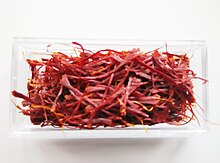
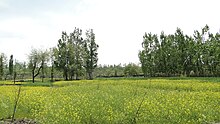

.jpg)


.jpg)


.JPG)


.JPG)


.jpg)
.jpg)
.jpg)

_with_Vendor_-_Old_City_-_Srinagar_-_Jammu_%26_Kashmir_-_India_(26564862530).jpg)


